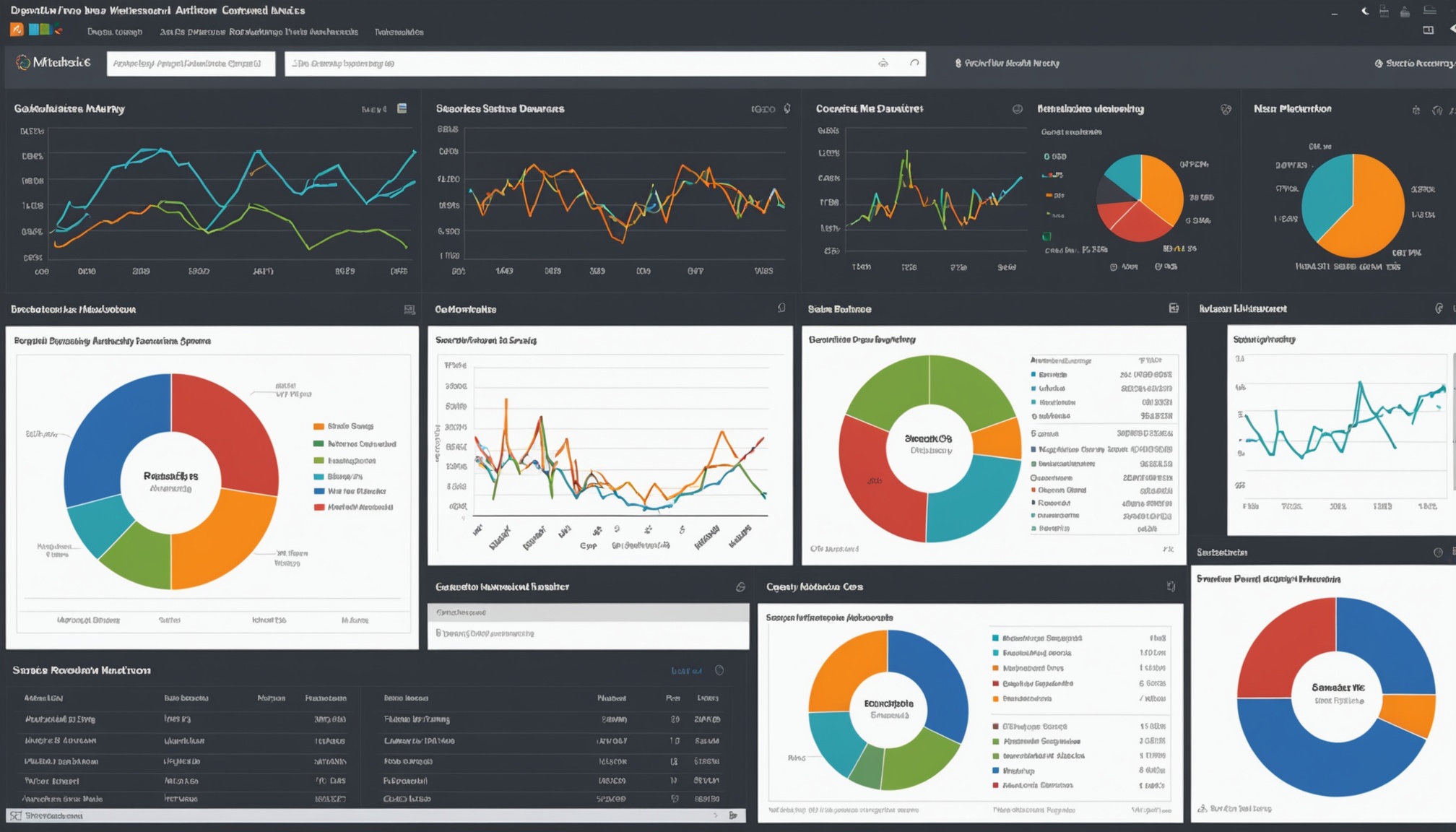
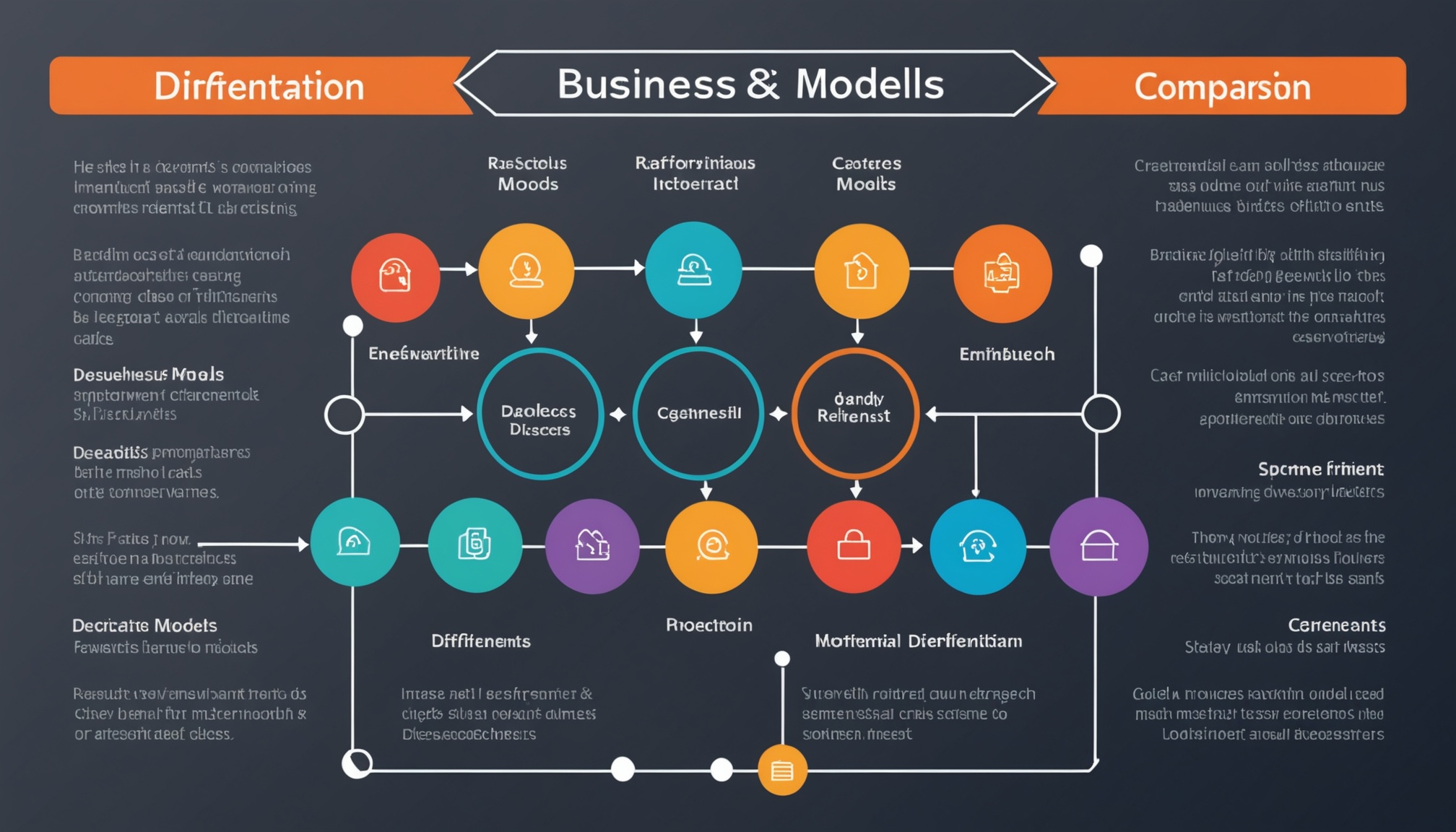
Link building has traditionally operated with significant uncertainty. Teams invest time and resources pursuing link opportunities without reliable ways to predict which placements will deliver meaningful SEO value. Some acquired links drive substantial ranking improvements and referral traffic, while others provide minimal benefit despite similar apparent metrics. This unpredictability makes resource allocation difficult and limits the strategic optimization of link building programs.
Predictive link value modeling applies artificial intelligence and statistical analysis to forecast the likely impact of backlinks before acquisition. By analyzing patterns in historical data, these models estimate which opportunities are most likely to deliver value, enabling more informed decisions about where to focus link building efforts. While prediction will never be perfect, even modest improvements in resource allocation can significantly impact program efficiency and results.
This guide explores how predictive modeling can improve link building decision-making. We will examine the data and methods used for link value prediction, practical approaches for implementing predictive models, and strategies for using predictions to optimize link building programs. Whether you are building your own models or evaluating vendor solutions, understanding predictive link value will help you make better decisions about link opportunities.
The goal is not perfect prediction, which is impossible given the complexity of search algorithms, but rather better-than-chance guidance that improves resource allocation over time. Even modest predictive accuracy can meaningfully impact link building ROI.
What You Will Learn In This Guide
Reading Time: 25 minutes | Difficulty: Advanced
- Understanding link value prediction
- Data inputs for predictive models
- Building and validating prediction models
- Practical implementation approaches
- Using predictions for portfolio optimization
- Limitations and appropriate expectations
Quality Links with Transparent Metrics
Outreachist provides detailed metrics for every publisher so you can evaluate opportunities before committing. Make informed decisions with real data.
Browse PublishersUnderstanding Link Value Prediction

Link value prediction attempts to forecast the SEO impact of potential backlinks using available information about the linking opportunity. Understanding what we are trying to predict and why prediction is challenging helps set appropriate expectations.
What We Are Predicting
Link value can be defined and measured in several ways, each with different prediction challenges.
Ranking impact measures how a link affects search positions for target keywords. This is the most direct measure of SEO value but is influenced by many factors beyond the link itself.
Traffic contribution captures referral visits from the link plus any organic traffic gains from ranking improvements. Traffic value combines direct and indirect benefits.
Authority transfer estimates how much domain or page authority flows from the linking site to yours. Authority metrics are proxies for Google PageRank, which is no longer publicly visible.
Long-term value considers both immediate impact and durability. A link that delivers value for years is more valuable than one that disappears or loses relevance.
Why Prediction Is Challenging
Several factors make accurate link value prediction difficult.
Algorithm opacity means we cannot know exactly how Google values links. All external metrics are estimates or proxies for actual algorithm factors.
Context dependency makes identical links different in value depending on your site, competitive landscape, and existing link profile. What matters for one site may not matter for another.
Temporal factors affect value over time. Algorithm updates, site changes, and competitive movements can change a link's value after acquisition.
Interaction effects mean links work together in ways that are hard to model. The value of a new link depends partly on your existing link profile.
Data Inputs for Prediction
Predictive models require data about potential link opportunities. Understanding available data inputs helps design effective prediction systems.
Domain-Level Metrics
Site-wide metrics provide baseline quality signals.
Domain authority metrics like DA, DR, and AS estimate overall site authority. While imperfect proxies, these correlate with link value and are widely available.
Trust metrics attempt to measure site trustworthiness and quality. Trust Flow, Citation Flow, and similar metrics capture aspects of link profile quality.
Traffic estimates from tools like Semrush and Ahrefs indicate site popularity and visitor potential. Higher traffic sites generally offer more valuable links.
Age and history metrics consider domain age, historical reputation, and stability. Established sites with clean histories typically provide more reliable link value.
Page-Level Metrics
Specific page metrics matter because links come from pages, not domains.
Page authority metrics estimate the strength of the specific linking page. A link from a high-authority page on a moderate domain can outperform one from a weak page on a strong domain.
Existing links to the page indicate its importance. Pages that have attracted links themselves pass more value.
Content quality and relevance affect link value. Topically relevant, high-quality content provides more contextual value than thin or off-topic pages.
Page position in site architecture matters. Prominent pages with strong internal linking pass more value than buried, poorly-linked pages.
Contextual Factors
Context around the link itself affects value.
Link placement within the page matters. Editorial links in main content typically provide more value than footer or sidebar links.
Surrounding content relevance affects contextual value. Links surrounded by topically relevant content signal stronger endorsement.
Anchor text provides relevance signals. While over-optimized anchors are risky, some keyword relevance in anchors contributes to value.
Link attributes affect how search engines treat links. Nofollow, sponsored, and UGC attributes may reduce value, though the impact has evolved.
Your Site's Context
The value of any link depends partly on your current situation.
Current authority level affects marginal value. Early-stage sites may benefit more from the same link than established sites.
Existing link profile composition matters. Links that fill gaps in your profile may be more valuable than those that replicate existing patterns.
Competitive gap determines how much links can move rankings. In highly competitive spaces, incremental link value may be lower.
Pro Tip: Context Matters Most
The same link has different value for different sites. Always evaluate opportunities in the context of your specific situation, not just absolute metrics. A DR 50 link might be transformative for a new site but barely noticeable for an established authority.
Building Prediction Models
Creating effective prediction models requires appropriate data, methodology, and validation approaches.
Data Collection and Preparation
Model building starts with collecting and preparing historical data.
Gather historical link acquisition data with outcome measures. You need records of past links acquired along with metrics about each link and measurable outcomes like ranking changes.
Standardize metrics and definitions across your dataset. Consistent measurement is essential for model training.
Clean data for anomalies and outliers. Unusual cases can distort model training if not handled appropriately.
Create time-appropriate feature sets. Use only information that would have been available at acquisition time, not subsequent data.
Model Approaches
Several modeling approaches can work for link value prediction.
Regression models predict continuous value estimates. Linear regression provides interpretable results, while more complex approaches like random forests can capture non-linear relationships.
Classification models predict categorical outcomes like high, medium, or low value. This simpler formulation may be more practical than precise value estimation.
Ranking models learn to order opportunities by likely value without predicting specific values. This approach aligns well with the practical need to prioritize.
Ensemble approaches combine multiple models for more robust predictions. Different models may capture different aspects of link value.
Feature Engineering
Transforming raw data into predictive features significantly affects model performance.
Create ratio features that capture relationships. Metrics like links-per-page or traffic-per-link often predict better than raw numbers.
Include interaction features that capture combinations. The interaction between relevance and authority may be more predictive than either alone.
Normalize features appropriately to prevent scale differences from distorting models.
Consider temporal features if you have time-series data. Trends and momentum may predict better than point-in-time snapshots.
Validation Approaches
Proper validation ensures models will generalize to new opportunities.
Use out-of-sample testing on data not used in training. Performance on training data does not indicate real-world performance.
Consider temporal validation that tests on later time periods. This simulates real prediction scenarios where you predict future outcomes.
Track prediction accuracy over time as you acquire new links. Ongoing validation catches model degradation.
Compare to simple baselines like predicting based on a single metric. Models should outperform naive approaches to be useful.
Practical Implementation
Implementing predictive link value requires balancing sophistication with practicality.
Starting Simple
Begin with straightforward approaches before adding complexity.
Start with basic scoring models using key metrics. A weighted combination of domain authority, relevance, and traffic provides a reasonable baseline.
Test whether simple models improve decisions before investing in complexity. The added effort of sophisticated models is only worthwhile if they meaningfully outperform simple approaches.
Iterate based on observed results rather than theoretical optimization. What works in practice matters more than what should work in theory.
Integration with Workflows
Predictions must integrate with link building workflows to be useful.
Build prediction into prospect evaluation processes. When reviewing potential opportunities, predicted value should be readily available.
Use predictions to inform prioritization without making them the sole factor. Human judgment should complement model predictions.
Track predictions versus outcomes to enable model improvement. Feedback loops are essential for ongoing accuracy.
Using Vendor Solutions
Several vendors offer predictive link value capabilities.
Evaluate vendor models against your own data if possible. Vendor models trained on general data may not optimize for your specific situation.
Understand what vendors are predicting. Different definitions of value may not align with your goals.
Consider vendor predictions as inputs to your own evaluation rather than definitive answers. Combine with your own analysis.
Evaluate Before You Commit
Outreachist provides detailed metrics for every publisher including domain authority, traffic estimates, and content quality indicators. Make informed decisions before investing.
Browse MarketplacePortfolio Optimization
Predictive models enable portfolio-level optimization beyond individual link decisions.
Diversification Strategies
Link portfolios benefit from strategic diversification.
Use predictions to identify optimal mix across link types. Different types may have different risk and return profiles.
Balance high-confidence moderate-value opportunities with higher-risk potentially-high-value options. Portfolio diversification reduces risk.
Consider correlation between opportunities. Diversifying across uncorrelated opportunities reduces portfolio risk.
Resource Allocation
Predictions inform how to allocate limited resources.
Prioritize opportunities with best predicted value relative to acquisition cost. ROI prediction, not just value prediction, should drive allocation.
Consider opportunity cost when evaluating options. Pursuing one opportunity means not pursuing others.
Adjust allocation based on predicted marginal value. Each additional link in a category may have diminishing returns.
Performance Tracking
Ongoing tracking validates predictions and informs improvement.
Compare predicted to actual value for acquired links. Systematic over- or under-prediction indicates model bias.
Identify prediction failure patterns. Understanding where models fail helps improve them.
Track portfolio-level performance against goals. Individual prediction accuracy matters less than whether the portfolio achieves objectives.
Limitations and Appropriate Expectations
Understanding prediction limitations helps use them appropriately.
Inherent Uncertainty
Link value prediction faces irreducible uncertainty.
Algorithm unknowability limits prediction accuracy. We are predicting outcomes of a system we cannot fully observe or understand.
Future changes cannot be predicted. Algorithm updates, competitive moves, and site changes affect value after acquisition.
Perfect prediction is impossible. The goal is better-than-random guidance, not certainty.
Model Limitations
Practical models have additional limitations beyond inherent uncertainty.
Data limitations constrain what models can learn. Limited historical data or poor outcome measurement limits model quality.
Model degradation occurs as the link building landscape evolves. Models need ongoing maintenance and retraining.
Overfitting to historical patterns can reduce forward prediction accuracy. Models may learn patterns that do not persist.
Appropriate Use
Use predictions as one input to decisions, not the sole factor.
Combine predictions with human judgment. Models capture patterns in data; humans understand context and nuance.
Be skeptical of extreme predictions in either direction. Outlier predictions are often wrong.
Accept that some predictions will be wrong. Even good models have significant error rates.
Key Takeaways
- Better guidance, not certainty: The goal is improved resource allocation, not perfect prediction.
- Context matters: Link value depends on your specific situation, not just opportunity metrics.
- Start simple: Basic scoring models can provide significant value before adding complexity.
- Validate continuously: Track predictions versus outcomes to ensure ongoing accuracy.
- Portfolio thinking: Use predictions for portfolio optimization, not just individual decisions.
- Human plus machine: Combine model predictions with human judgment for best results.
Make Informed Link Building Decisions
Outreachist provides the data you need to evaluate link opportunities. Access detailed metrics for every publisher and make confident decisions.
- 5,000+ verified publishers with transparent metrics
- Domain authority and traffic data
- Content quality indicators
- Historical performance data
Conclusion
Predictive link value modeling represents an important advancement in link building strategy. By applying AI and statistical analysis to forecast link impact, teams can make more informed decisions about where to invest link building resources. While prediction will never be perfect, even modest improvements in resource allocation can significantly impact program ROI.
Success with predictive modeling requires appropriate expectations, quality data, and thoughtful implementation. Models should provide better-than-random guidance while acknowledging inherent uncertainty. Start with simple approaches and add complexity only when it demonstrably improves decisions.
Perhaps most importantly, predictions should complement rather than replace human judgment. Models capture patterns in historical data; humans understand context, relationships, and strategic factors that models cannot incorporate. The best results come from combining machine predictions with human insight.
As AI capabilities continue to advance, predictive models will become more accurate and accessible. Organizations that develop experience with predictive approaches now will be well-positioned to leverage future improvements in these technologies.
About Outreachist
Outreachist is the premier marketplace connecting advertisers with high-quality publishers for guest posts, sponsored content, and link building opportunities. Our platform features 5,000+ verified publishers across every industry, with transparent metrics and secure transactions.
Browse our marketplace | Create a free account | Learn how it works