Link building is not one-size-fits-all. Different business models have different audiences, different content opportunities, different competitive landscapes, and ultimately require different link building approaches. A tactic that works brilliantly for a B2B software company may fail completely for an e-commerce retailer, and vice versa. Understanding these differences enables more effective, targeted link building strategies.
The business model affects nearly every aspect of link building. It determines who you are trying to reach, what content they value, where they spend time online, and what motivates them to link. It affects the competitive environment you operate in and the resources you have available for link building. Recognizing and adapting to these model-specific factors dramatically improves results.
This guide examines link building strategies tailored to four major business models: B2B, B2C, SaaS, and e-commerce. We will explore the unique characteristics of each model, the specific tactics that work best, and how to adapt general link building principles to your particular situation. Whether you fit neatly into one category or span multiple models, understanding these distinctions will sharpen your strategy.
The goal is not just more links but the right links that drive business results for your specific model.
What You Will Learn In This Guide
Reading Time: 28 minutes | Difficulty: Intermediate
- B2B link building strategies and tactics
- B2C link building approaches
- SaaS-specific link building opportunities
- E-commerce link building techniques
- Adapting strategies to your model
- Cross-model considerations
Publishers for Every Business Model
Outreachist features publishers across all industries and niches. Find the right publishers for your specific business model and audience.
Browse PublishersB2B Link Building
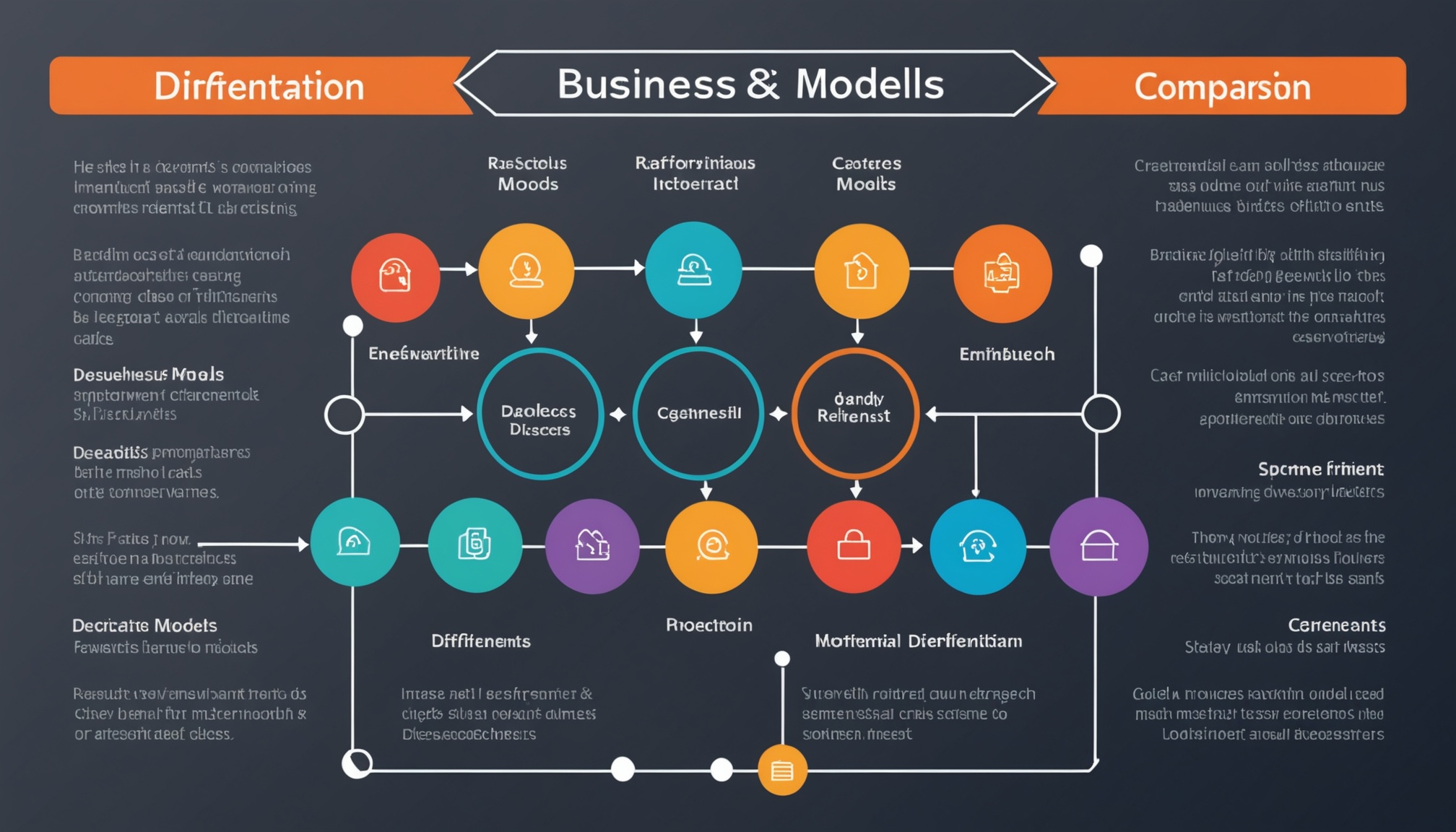
B2B companies face unique link building opportunities and challenges shaped by their professional audiences and longer sales cycles.
B2B Characteristics Affecting Link Building
Several B2B characteristics shape effective link building approaches.
Professional audiences mean decision-makers and influencers are reachable through industry publications and professional communities.
Thought leadership matters deeply in B2B. Demonstrating expertise drives both links and business results.
Longer sales cycles mean brand awareness from links contributes to nurturing over time.
Smaller but more valuable audiences mean each high-quality link potentially reaches key decision-makers.
Effective B2B Link Building Tactics
Tactics that work particularly well for B2B.
Industry publication guest posting in trade publications, professional blogs, and industry news sites reaches B2B audiences where they consume content.
Original research and data studies attract links from industry sources covering trends and insights. B2B audiences value data-driven content.
Expert positioning through HARO, podcast appearances, and speaking opportunities builds both links and thought leadership.
Partnership and integration links from technology partners, integration directories, and ecosystem connections.
Professional association and directory links from industry groups and business organizations.
B2B Link Building Challenges
Challenges specific to B2B link building.
Smaller link opportunity universe with fewer relevant publications than consumer topics.
Higher competition for expert positioning as many B2B companies pursue thought leadership.
Technical content requirements demanding genuine expertise to create link-worthy material.
Longer relationship building cycles for high-value placement opportunities.
B2C Link Building
B2C companies have broader audiences and different content opportunities that shape link building approaches.
B2C Characteristics Affecting Link Building
Consumer-focused businesses face different dynamics.
Broader audiences expand potential link sources beyond professional publications.
Emotional and lifestyle content connects with consumers in ways that drive sharing and linking.
Viral potential exists for content that resonates with consumer interests.
Higher competition from many businesses targeting similar consumer audiences.
Effective B2C Link Building Tactics
Tactics that work well for B2C businesses.
Lifestyle and interest publication outreach to blogs, magazines, and sites covering topics your audience cares about.
Visual content including infographics, videos, and interactive content that consumers share and link to.
PR and media coverage through newsworthy stories, surveys, and trend insights.
Influencer relationships that produce content with organic links and brand mentions.
Local and community links for businesses with geographic components.
User-generated content that attracts links through community engagement and social proof.
B2C Link Building Challenges
Challenges in B2C link building.
High competition for attention in crowded consumer content landscapes.
Link value dilution from high volumes of lower-quality opportunities.
Trend sensitivity requiring constant adaptation to changing consumer interests.
Brand safety considerations around content associations.
Pro Tip: Know Your Audience's Content Diet
The best link opportunities exist where your audience already consumes content. Map where your target customers spend time online and focus link building efforts on those sources rather than pursuing generic opportunities.
SaaS Link Building
Software as a Service companies have specific link building opportunities related to their product-focused nature.
SaaS Characteristics Affecting Link Building
SaaS businesses have unique link building dynamics.
Product-focused content around features, use cases, and comparisons naturally attracts links.
Integration ecosystem creates linking opportunities with partners and complementary tools.
Free tool and resource potential leverages software capabilities for linkable assets.
Technical audience often includes bloggers, developers, and content creators likely to link.
Effective SaaS Link Building Tactics
Tactics particularly effective for SaaS companies.
Integration and ecosystem links from partner directories, integration marketplaces, and complementary tool lists.
Free tools and calculators that leverage your technology to create linkable assets that solve problems.
Comparison and review links by being included in best-of lists, comparison articles, and review roundups.
Technical content and documentation that developers and users reference and link to.
Case studies and customer success stories that attract links from customers, industry publications, and prospects.
Educational content including courses, certifications, and training resources.
SaaS Link Building Challenges
Challenges specific to SaaS link building.
Competitive landscape with many SaaS companies competing for the same link opportunities.
Feature parity making differentiation through content more difficult.
Rapid change requiring constant content updates as products evolve.
Review manipulation concerns affecting how reviews and comparisons are perceived.
SaaS and Tech Publishers
Outreachist features technology and SaaS-focused publishers for relevant link placements. Reach your technical audience through industry publications.
Browse MarketplaceE-commerce Link Building
Online retailers face unique link building challenges related to their product-focused nature and competitive landscapes.
E-commerce Characteristics Affecting Link Building
Retail businesses have distinct link building dynamics.
Product page linking is challenging as most sites do not naturally link to product pages.
Category competition means competing for links on broad product category terms.
Seasonal patterns affect link building timing and opportunities.
High competition from both small retailers and major platforms.
Effective E-commerce Link Building Tactics
Tactics that work for e-commerce businesses.
Buying guides and educational content that attract links while supporting product pages internally.
Product reviews and unboxing by bloggers and influencers who naturally include product links.
Manufacturer and brand relationships for links from brands you carry.
Industry roundups and best-of lists placement for featured products.
Charity and community initiatives that generate local and cause-related links.
Seasonal campaigns around holidays and events when link opportunities increase.
User-generated content including reviews, photos, and social proof that attract links.
E-commerce Link Building Challenges
Challenges specific to e-commerce link building.
Product page link resistance as editorial sites rarely link directly to product pages.
Competing with Amazon and other major platforms for product-related links.
Thin content risk when product descriptions alone do not support link acquisition.
Link equity distribution across potentially thousands of product pages.
Adapting to Your Model
Most businesses can benefit from understanding how their model affects link building approach.
Hybrid Models
Many businesses span multiple models.
B2B2C businesses may need to combine approaches for different audiences.
SaaS with e-commerce elements requires blending software and retail tactics.
Service businesses with product components need mixed strategies.
Identify which model characteristics are most relevant and weight tactics accordingly.
Industry Variations
Within each model, industry specifics further shape strategy.
Regulated industries like healthcare and finance face additional constraints.
Technical industries require deeper expertise in content.
Creative industries have more visual and design-focused opportunities.
Local businesses need geographic focus regardless of model.
Resource Considerations
Available resources affect tactical selection.
Content creation capacity determines what linkable assets are feasible.
Technical capabilities affect whether tools and interactive content are viable.
Outreach capacity influences relationship-based versus scalable tactics.
Budget levels determine which paid opportunities are accessible.
Cross-Model Best Practices
Some principles apply regardless of business model.
Audience-First Approach
All models benefit from audience focus.
Understand where your audience consumes content and seek links there.
Create content that serves audience needs rather than just link acquisition.
Build relationships in communities where your audience participates.
Quality Foundation
Quality matters across all models.
Prioritize high-quality links over volume regardless of model.
Invest in content quality that earns links rather than just acquiring them.
Maintain editorial standards in all link building activities.
Strategic Integration
Link building should integrate with broader strategy.
Align link building with content marketing and PR efforts.
Coordinate with sales and business development for relationship leverage.
Connect link building metrics to business outcomes.
Key Takeaways
- B2B: Focus on industry publications, thought leadership, original research, and professional networks.
- B2C: Leverage lifestyle content, visual assets, PR opportunities, and influencer relationships.
- SaaS: Exploit integration ecosystems, free tools, comparison content, and technical documentation.
- E-commerce: Use buying guides, product reviews, brand relationships, and seasonal campaigns.
- Hybrid models: Blend tactics based on which model characteristics are most relevant.
- Universal principles: Audience focus, quality priority, and strategic integration apply across all models.
Publishers for Your Business Model
Outreachist features publishers across all industries and business types. Find the right fit for your specific model.
- 5,000+ verified publishers
- Industry-specific options
- B2B and B2C publications
- Tech and e-commerce focus areas
Conclusion
Effective link building requires adapting strategies to your specific business model. B2B, B2C, SaaS, and e-commerce companies face different audiences, opportunities, and challenges that demand tailored approaches. Understanding these model-specific dynamics enables more targeted, effective link building.
B2B companies benefit from industry publication focus, thought leadership positioning, and professional network leverage. B2C businesses find success with lifestyle content, visual assets, and influencer relationships. SaaS companies can exploit their integration ecosystems, technical content capabilities, and free tool potential. E-commerce retailers navigate product page challenges through buying guides, review relationships, and seasonal campaigns.
Most businesses have characteristics of multiple models, requiring blended approaches weighted toward the most relevant dynamics. Regardless of model, audience-first thinking, quality prioritization, and strategic integration with broader marketing remain universal best practices.
The most effective link building strategies align tactical choices with business model realities, pursuing the opportunities that match your specific situation rather than generic approaches that may not fit.
About Outreachist
Outreachist is the premier marketplace connecting advertisers with high-quality publishers for guest posts, sponsored content, and link building opportunities. Our platform features 5,000+ verified publishers across every industry, with transparent metrics and secure transactions.
Browse our marketplace | Create a free account | Learn how it works