Link velocity, the rate at which a website acquires new backlinks over time, is one of the most misunderstood yet important concepts in link building. Too slow, and competitive rankings remain out of reach. Too fast, and unnatural growth patterns may trigger algorithmic scrutiny. Finding the optimal pace requires understanding how search engines evaluate link acquisition patterns and what constitutes natural versus manipulative growth.
The challenge is that there is no single correct link velocity. What is natural for a viral startup differs dramatically from what is natural for an established enterprise. A new product launch might legitimately generate rapid link acquisition, while steady ongoing growth would be more typical for established content. Context matters enormously in evaluating what constitutes appropriate link velocity.
This guide explores link velocity optimization for sustainable SEO growth. We will examine how search engines evaluate link acquisition patterns, what factors determine appropriate velocity for your situation, and practical strategies for managing link building pace. Whether you are launching aggressive campaigns or maintaining steady growth, understanding link velocity will help you make better strategic decisions.
The goal is sustainable growth that builds authority steadily without triggering warnings that attract manual review or algorithmic adjustment.
What You Will Learn In This Guide
Reading Time: 24 minutes | Difficulty: Intermediate
- Understanding link velocity concepts
- How search engines evaluate link patterns
- Determining appropriate velocity for your situation
- Managing velocity during campaigns
- Avoiding penalty triggers
- Sustainable long-term link building pace
Consistent Quality Link Building
Outreachist helps you maintain steady link acquisition with access to quality publishers. Build sustainable growth with consistent placements.
Browse PublishersUnderstanding Link Velocity
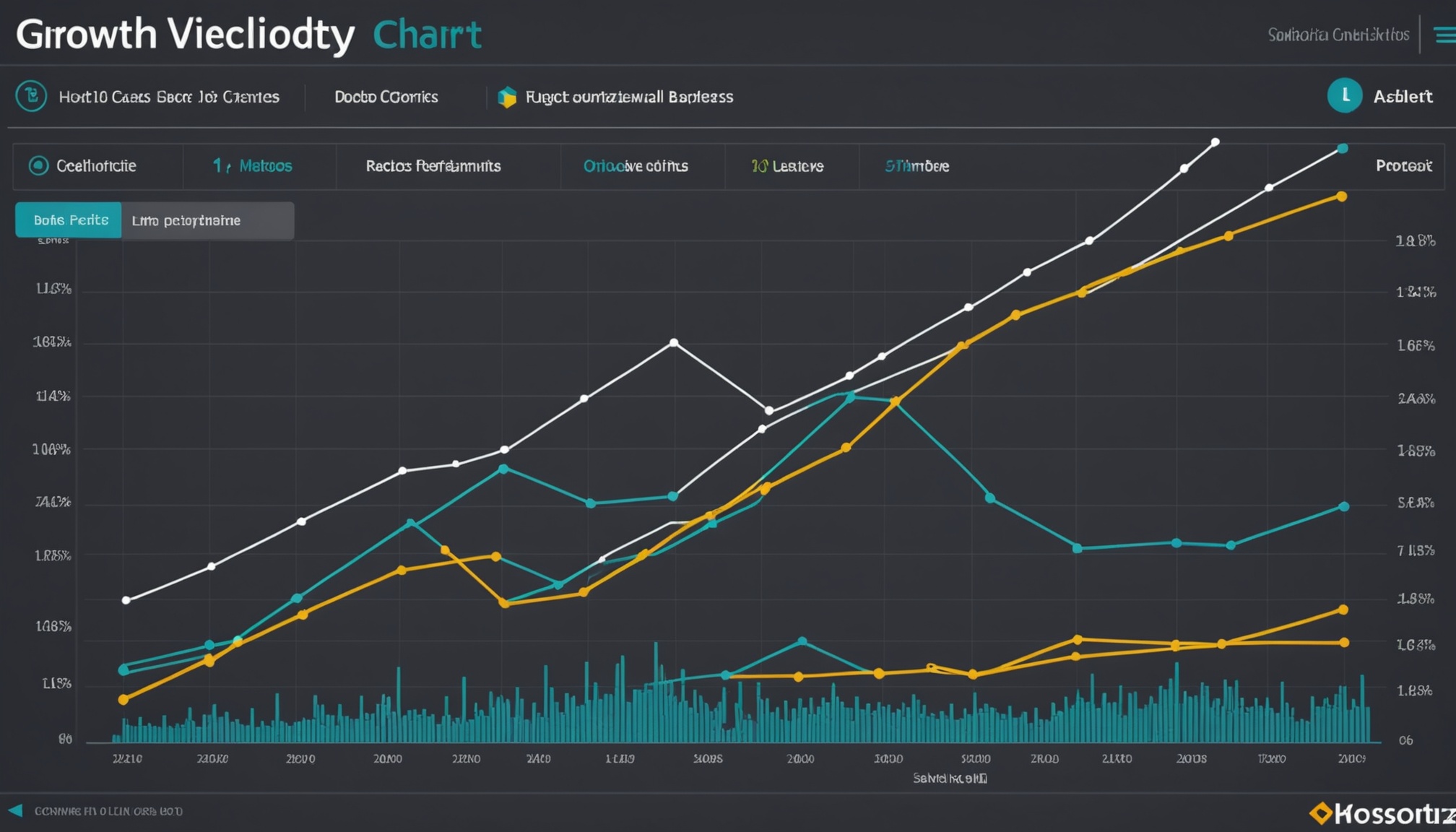
Link velocity fundamentally measures the rate of change in your backlink profile over time. Understanding its components helps in strategic planning.
Velocity Measurements
Link velocity can be measured in several ways.
New links per period counts how many new backlinks are acquired weekly, monthly, or over other time frames.
Net link change accounts for both new links and lost links, providing a more accurate growth picture.
Referring domain growth tracks unique domains linking to you rather than individual links, often a more meaningful metric.
Velocity trends examine whether acquisition is accelerating, steady, or slowing over time.
What Natural Velocity Looks Like
Natural link acquisition patterns have characteristic features.
Variability is normal in organic link building. Some periods produce more links than others based on content publication, news coverage, and random variation.
Correlation with events shows link spikes around product launches, viral content, or news coverage that legitimately attract attention.
Proportionality to site size means larger, more established sites naturally acquire links faster than small unknown sites.
Industry patterns vary by sector. Tech sites typically acquire links differently than local businesses.
Why Velocity Matters
Search engines pay attention to link velocity for several reasons.
Manipulation detection uses velocity patterns. Sudden spikes without corresponding events suggest artificial link building.
Quality signals correlate with velocity patterns. High-quality sites tend to acquire links steadily over time.
Competitive context affects evaluation. Velocity is evaluated relative to competitors and industry norms.
How Search Engines Evaluate Patterns
Understanding search engine evaluation helps in planning appropriate velocity.
Pattern Recognition
Search engines analyze link acquisition patterns at scale.
Statistical baseline models establish what normal patterns look like for different types of sites.
Anomaly detection identifies patterns that deviate significantly from expected norms.
Pattern comparison looks at how your velocity compares to similar sites.
Historical analysis considers your site's own historical patterns in evaluation.
Warning Signs
Certain patterns raise red flags.
Sudden spikes without explanation suggest artificial link building campaigns.
Perfectly consistent velocity looks manufactured rather than organic.
Velocity disproportionate to site age or size indicates manipulation.
Correlation with known manipulation patterns triggers additional scrutiny.
What Triggers Manual Review
Extreme patterns may trigger human review.
Dramatic velocity changes that cannot be explained by legitimate events.
Patterns matching known manipulation schemes.
Competitor reports that draw attention to unusual activity.
Combination of velocity anomalies with other quality signals.
Pro Tip: Think Like an Algorithm
When planning link velocity, ask: if I were an algorithm looking at thousands of sites, would this pattern stand out as unusual? Natural variation and proportionality to events helps your profile blend with legitimate sites.
Determining Your Appropriate Velocity
Appropriate velocity depends on your specific situation and cannot be defined with universal numbers.
Baseline Factors
Several factors determine what velocity is appropriate for your site.
Current authority and link profile establish your baseline. A site with 10,000 existing referring domains can absorb more new links than one with 100.
Site age affects expectations. New sites naturally acquire links more slowly until they build visibility.
Industry norms vary significantly. Compare to competitors and similar sites rather than universal benchmarks.
Historical patterns for your site establish what is normal for you specifically.
Event-Based Considerations
Legitimate events justify velocity variation.
Product launches naturally attract links from coverage and reviews.
Content publication particularly strong pieces should generate link spikes.
PR and news coverage creates legitimate link surges.
Viral content can produce dramatic but legitimate velocity spikes.
Competitive Context
Competitor activity affects appropriate velocity.
Competitive gap analysis reveals how much you need to grow to compete.
Industry velocity norms indicate what is typical in your space.
Catch-up velocity for sites behind competitors may justify faster growth.
Managing Campaign Velocity
Active link building campaigns require velocity management to maintain natural patterns.
Campaign Planning
Plan campaigns with velocity in mind.
Set velocity targets based on your baseline and competitive needs.
Schedule link acquisition over time rather than concentrated bursts.
Build in variability to avoid artificial consistency.
Coordinate with content and PR for legitimate velocity spikes.
Pacing Strategies
Several strategies help manage campaign pacing.
Staged rollout spreads link acquisition across weeks or months.
Random variation introduces deliberate inconsistency in timing.
Event correlation times some link building around legitimate events.
Gradual acceleration increases velocity slowly rather than sudden jumps.
Monitoring and Adjustment
Active monitoring enables velocity adjustment.
Track velocity metrics continuously during campaigns.
Compare actual to planned velocity and adjust as needed.
Watch for warning signs and slow down if patterns become concerning.
Document legitimate events that explain velocity spikes.
Sustainable Link Building Pace
Outreachist supports consistent link acquisition with ongoing access to quality publishers. Maintain sustainable velocity with regular placements.
Browse MarketplaceAvoiding Penalty Triggers
Understanding what triggers penalties helps in designing safe velocity strategies.
Algorithmic Penalties
Algorithm-based evaluation looks for manipulation patterns.
Penguin and related algorithms evaluate link quality and patterns.
Unnatural link patterns may result in reduced link value rather than explicit penalties.
Recovery from algorithmic issues requires pattern correction over time.
Manual Actions
Human review may result from extreme patterns.
Unnatural links warnings in Search Console indicate detected manipulation.
Manual penalties require explicit reconsideration requests after cleanup.
Documentation of legitimate link building can support reconsideration.
Safe Practices
Several practices reduce penalty risk.
Gradual velocity increases rather than sudden jumps.
Diversity in link sources, types, and anchor text.
Correlation with legitimate events and content.
Ongoing monitoring for early warning signs.
Long-Term Velocity Strategy
Sustainable long-term link building requires ongoing velocity management.
Steady State Growth
Establish sustainable ongoing velocity.
Determine what consistent monthly growth is sustainable for your resources.
Build processes that support steady acquisition over time.
Balance velocity ambitions with quality maintenance.
Scaling Over Time
As your site grows, appropriate velocity can increase.
Authority growth enables faster sustainable velocity.
Resource investment in link building can increase proportionally.
Competitive position improvement may require velocity increases.
Recovery and Maintenance
Address velocity problems proactively.
Slow down if patterns become concerning rather than continuing at risk.
Clean up low-quality links that may be affecting evaluation.
Re-establish healthy patterns before aggressive growth.
Velocity for Different Scenarios
Different situations call for different velocity approaches.
New Sites
New sites require patience and gradual growth.
Start slowly with foundational link building.
Accelerate gradually as the site establishes presence.
Focus on quality over quantity in early stages.
Competitive Catch-Up
Sites behind competitors may need accelerated growth.
Faster velocity may be justified but still requires naturalness.
Coordinate with content and PR to justify increased velocity.
Monitor closely for warning signs during accelerated periods.
Maintaining Position
Established sites need maintenance velocity.
Continue acquiring links to maintain competitive position.
Match or exceed competitor velocity in your space.
Focus on quality and relevance rather than volume.
Key Takeaways
- Context determines appropriateness: There is no universal correct velocity. Your situation determines what is appropriate.
- Natural patterns: Legitimate link building shows variability and correlation with events.
- Proportionality matters: Velocity should be proportional to site size, age, and industry norms.
- Gradual acceleration: Increase velocity gradually rather than sudden jumps.
- Ongoing monitoring: Track velocity and adjust based on patterns and warning signs.
- Long-term sustainability: Build processes for sustainable ongoing velocity rather than unsustainable bursts.
Build Sustainable Link Velocity
Outreachist provides ongoing access to quality publishers for sustainable link building at appropriate velocity.
- 5,000+ verified publishers
- Consistent placement opportunities
- Quality over quantity focus
- Sustainable growth support
Conclusion
Link velocity optimization is essential for sustainable SEO growth. The right pace of link acquisition builds authority steadily without triggering algorithmic scrutiny or manual review. Finding this balance requires understanding your specific context, including site size, age, industry norms, and competitive position.
Natural link velocity shows variability and correlation with legitimate events. Artificial patterns that are too consistent, too fast, or disproportionate to site characteristics raise red flags. Gradual acceleration, built-in variation, and coordination with content and PR help maintain natural patterns.
Long-term success requires sustainable velocity strategies rather than aggressive bursts followed by quiet periods. Build processes that support consistent quality link acquisition over time, scaling velocity gradually as your site's authority grows.
The goal is not maximum velocity but optimal velocity, the pace that builds authority as quickly as possible while maintaining the natural patterns that avoid algorithmic and manual penalties.
About Outreachist
Outreachist is the premier marketplace connecting advertisers with high-quality publishers for guest posts, sponsored content, and link building opportunities. Our platform features 5,000+ verified publishers across every industry, with transparent metrics and secure transactions.
Browse our marketplace | Create a free account | Learn how it works