Retail media networks have emerged as one of the fastest-growing and most significant developments in digital advertising. These advertising platforms operated by retailers allow brands to reach shoppers at the point of purchase using the retailer first-party shopper data. The combination of high-intent audiences, deterministic purchase data, and closed-loop measurement has made retail media irresistible to advertisers, with spend projected to exceed one hundred billion dollars globally by 2027.
The appeal is straightforward: reach consumers when they are actively shopping, target based on actual purchase behavior rather than inferred interests, and measure actual sales rather than proxy metrics. In an era of increasing privacy restrictions and signal loss from traditional digital advertising, retail media offers a refuge of deterministic data and measurable outcomes.
This guide provides a comprehensive examination of retail media network advertising. We will explore the major platforms including Amazon, Walmart, Target, and emerging networks, examine the advertising formats and targeting capabilities available, and provide frameworks for building effective retail media strategies. Whether you are new to retail media or looking to optimize existing programs, this guide will help you navigate this increasingly important advertising channel.
The stakes are significant. Retail media now represents a substantial portion of total digital advertising spend, and its share continues to grow. Brands that master retail media gain advantages in reaching purchase-ready consumers with measurable impact, while those who lag behind cede ground to competitors at the most critical moment in the customer journey.
What You Will Learn In This Guide
Reading Time: 23 minutes | Difficulty: Intermediate
- Understanding the retail media landscape and its growth drivers
- Deep dive into Amazon Advertising strategies and best practices
- Walmart Connect, Target Roundel, and other major networks
- Sponsored product, display, and video advertising formats
- Leveraging first-party shopper data for targeting
- Closed-loop measurement and optimization approaches
- Building integrated retail media strategies
Complement Retail Media with Brand Building
While retail media captures demand at point of purchase, premium content creates the brand awareness and consideration that drives shoppers to search for your products. Outreachist connects you with quality publishers for sponsored content that builds the brand equity retail media then converts.
Explore Publisher NetworkRetail Media Market Statistics
US retail media spend in 2024
Annual growth rate through 2027
Amazon share of retail media market
Of CPG brands investing in retail media
Sources: eMarketer 2024, Insider Intelligence, McKinsey Retail Media Report
Section 1: Understanding the Retail Media Landscape

Retail media networks are advertising platforms operated by retailers that allow brands to reach shoppers through the retailer owned properties, including websites, apps, and increasingly, off-site media. These networks leverage the retailer first-party data on shopping behavior to enable targeting and measurement capabilities that are difficult or impossible to replicate through traditional digital advertising.
The retail media category has existed for decades in the form of in-store advertising, endcap placements, and circular features. What has changed is the digitization of retail combined with sophisticated advertising technology that enables programmatic buying, granular targeting, and closed-loop measurement. This transformation has made retail media one of the most attractive advertising opportunities available.
Why Retail Media is Growing
Several factors are driving the explosive growth of retail media. Understanding these dynamics helps advertisers appreciate why retail media deserves attention and investment.
First-party data advantage is the primary driver. As third-party cookies deprecate and privacy regulations tighten, the deterministic first-party data that retailers possess becomes increasingly valuable. Retailers know exactly what customers buy, browse, and search for. This data enables precise targeting and accurate measurement that is becoming harder to achieve through other digital channels.
High-intent audience is another critical factor. Users on retail websites are actively shopping, representing the highest-intent audience available. Advertising at this moment captures consumers who are ready to buy rather than hoping to create future demand. This proximity to purchase translates into strong conversion rates and measurable sales impact.
Closed-loop measurement provides accountability that other channels cannot match. Retailers can directly connect ad exposure to purchase, showing exactly which ads drove which sales. This eliminates the attribution uncertainty that plagues other digital advertising and provides clear return on ad spend calculation.
New revenue stream incentives motivate retailers to invest in their media capabilities. Retail media represents high-margin revenue for retailers, often more profitable than selling products. This creates strong incentive for retailers to build sophisticated advertising platforms and attract advertiser investment.
The Major Retail Media Networks
The retail media landscape includes dozens of networks, but a few dominant players command the majority of spend. Understanding the key networks and their differentiation helps advertisers allocate resources appropriately.
Amazon Advertising dominates retail media with approximately seventy-seven percent market share. Amazon massive audience, sophisticated advertising technology, and deep integration with Amazon retail platform make it the essential retail media investment for most consumer products brands. Amazon offers the most mature advertising capabilities including sponsored products, sponsored brands, sponsored display, demand-side platform access, and streaming TV advertising.
Walmart Connect is the second-largest retail media network and growing rapidly. Walmart combination of online and massive brick-and-mortar presence offers unique omnichannel advertising opportunities. The ability to reach shoppers across digital and physical touchpoints and measure impact on both online and in-store sales differentiates Walmart from pure-play ecommerce platforms.
Target Roundel provides access to Target loyal, affluent customer base. Target data on guest shopping behavior enables precise targeting, and the Roundel platform has expanded to include off-site media that extends reach beyond Target owned properties.
Instacart Ads reaches grocery shoppers across multiple retailer partners. Instacart unique position as a delivery platform serving many grocers provides broad grocery advertising reach and valuable shopping basket data.
Emerging networks from retailers like Kroger, Albertsons, CVS, Walgreens, Home Depot, and others provide category-specific opportunities. While smaller than Amazon, these networks can be valuable for brands with strong presence in specific retail channels.
Section 2: Amazon Advertising Deep Dive
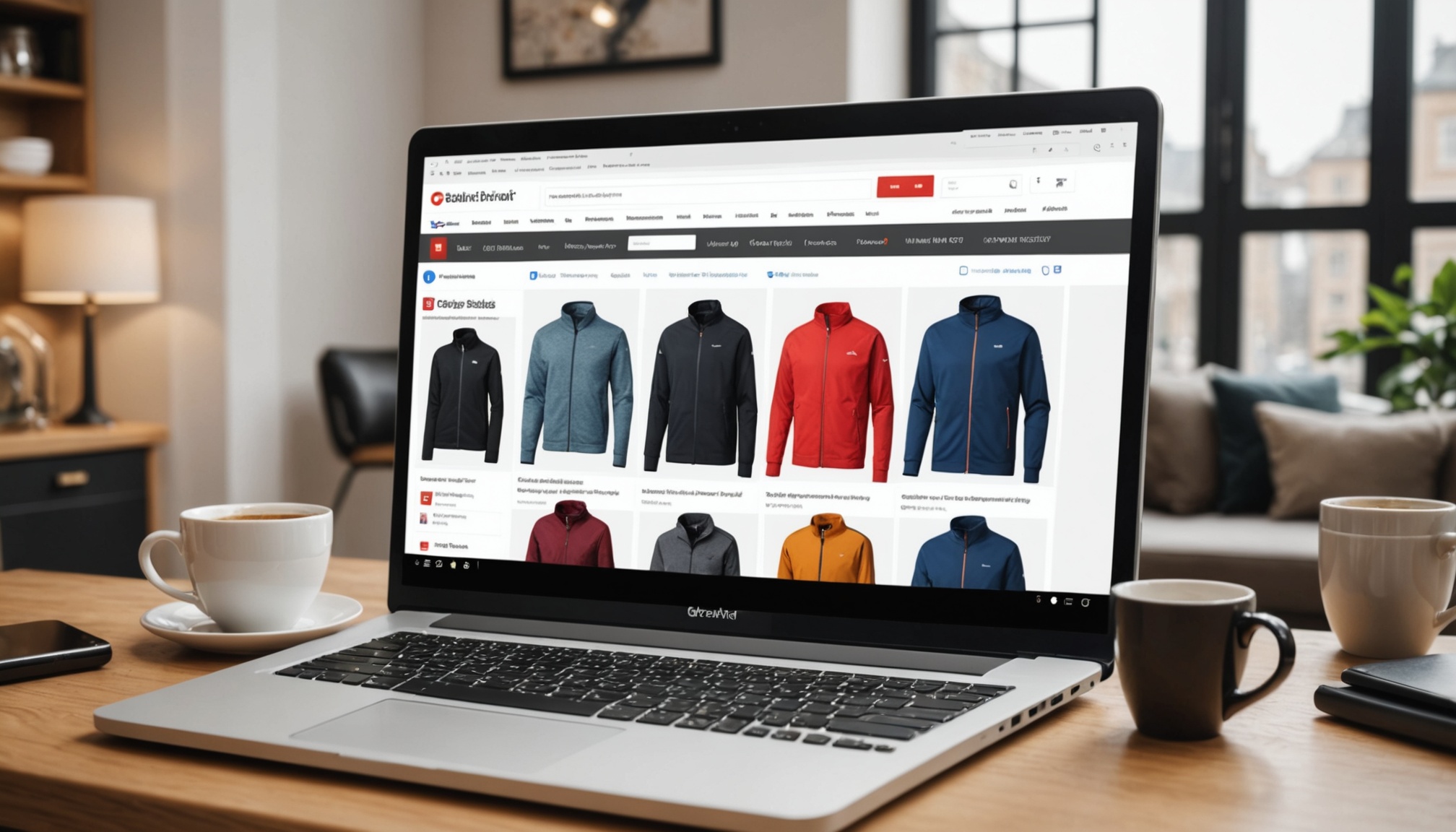
Amazon Advertising is the essential retail media investment for consumer products brands. Amazon dominant ecommerce market share, sophisticated advertising capabilities, and unmatched shopper data make it the starting point for most retail media strategies. Understanding Amazon advertising ecosystem and best practices is fundamental for retail media success.
Amazon Advertising Formats
Amazon offers multiple advertising formats serving different objectives and funnel stages. Effective Amazon strategies typically combine multiple formats to cover the full customer journey from awareness through purchase.
Sponsored Products are keyword-targeted ads that appear in search results and on product detail pages. These ads look similar to organic listings and drive shoppers directly to product pages. Sponsored Products typically represent the largest portion of Amazon advertising spend because they capture high-intent shoppers actively searching for products.
Sponsored Brands are banner ads that appear at the top of search results, featuring your brand logo, custom headline, and multiple products. These ads build brand awareness while driving traffic to your brand store or product pages. Sponsored Brands are particularly effective for establishing brand presence and showcasing product portfolios.
Sponsored Display ads reach shoppers on and off Amazon using audience and product targeting. On Amazon, these ads appear on product detail pages, search results, and other placements. Off Amazon, they extend reach to Amazon audience network properties. Sponsored Display is effective for retargeting shoppers who viewed your products and for conquesting competitor products.
Amazon DSP provides programmatic display and video advertising using Amazon first-party data. DSP enables sophisticated audience targeting including purchase-based segments, lifestyle audiences, and lookalikes. DSP campaigns can run on Amazon properties and across the broader web and connected TV, making it valuable for upper-funnel awareness building.
Streaming TV Ads through Amazon deliver video advertising on Fire TV, Freevee, and other Amazon streaming properties. These ads reach cord-cutters in premium content environments with targeting based on Amazon shopping data.
Amazon Advertising Strategies
Successful Amazon advertising requires strategic approach to keyword selection, bid management, campaign structure, and optimization. The competitive dynamics of Amazon auctions reward sophisticated advertisers while punishing those with unsophisticated approaches.
Keyword strategy should span branded, category, and competitor terms. Branded keywords defend your brand searches from competitor conquesting. Category keywords capture shoppers seeking products like yours. Competitor keywords attempt to win shoppers searching for alternative brands. The balance among these keyword types depends on your brand strength, market position, and objectives.
Campaign structure should enable granular control and clear performance analysis. Separate campaigns for different product lines, keyword types, and match types allow precise budget allocation and optimization. Poor structure makes it difficult to identify what is working and optimize accordingly.
Bid management requires continuous optimization based on performance data. Amazon auction dynamics mean that bid prices fluctuate based on competition, and optimal bids depend on conversion rates, margins, and strategic objectives. Many advertisers use automated bidding tools or Amazon own bid automation to manage this complexity.
Product listing optimization directly impacts advertising performance. Ads drive traffic to product pages, and those pages must convert visitors into buyers. Optimized titles, images, bullet points, A plus content, and reviews all improve conversion rates and thus advertising efficiency. Advertising without listing optimization wastes spend on traffic that does not convert.
Amazon Measurement and Optimization
Amazon provides robust measurement capabilities that enable clear understanding of advertising impact. Understanding these metrics and using them for optimization is essential for Amazon advertising success.
Advertising cost of sales, or ACOS, measures ad spend as a percentage of attributed sales. An ACOS of twenty percent means you spent twenty cents on advertising for each dollar of sales. Lower ACOS indicates more efficient advertising, though optimal ACOS depends on margins and objectives.
Return on ad spend, or ROAS, is the inverse of ACOS, measuring sales generated per dollar of ad spend. A ROAS of five means each advertising dollar generated five dollars in sales. This metric aligns with how other channels report return on investment.
Total advertising cost of sales, or TACOS, measures ad spend as a percentage of total sales including both advertising-attributed and organic sales. This metric captures the halo effect of advertising on overall business performance and provides a more holistic view of advertising efficiency.
New-to-brand metrics identify customers who had not purchased from your brand on Amazon in the past twelve months. These metrics help distinguish between advertising that acquires new customers versus advertising that captures existing customer purchases. Customer acquisition is generally more valuable than capturing sales that would have happened anyway.
Pro Tip: Profitability Over Efficiency
Many advertisers obsess over ACOS without considering profitability. A thirty percent ACOS might be highly profitable for a product with seventy percent margins but disastrous for one with thirty-five percent margins. Set ACOS targets based on unit economics and margin structure rather than arbitrary efficiency thresholds.
Section 3: Walmart Connect and Other Major Networks

While Amazon dominates retail media, other networks offer unique capabilities and audiences that merit consideration. Walmart Connect in particular has emerged as a significant alternative, and understanding its differentiation helps advertisers develop comprehensive retail media strategies.
Walmart Connect
Walmart Connect provides advertising access to Walmart massive shopper base across both digital and physical retail. With over one hundred fifty million weekly customers and significant online traffic, Walmart represents a substantial advertising opportunity with unique characteristics.
Omnichannel advantage distinguishes Walmart from pure ecommerce players. Walmart advertising can drive both online purchases and in-store sales, and measurement captures impact across both channels. For brands with significant brick-and-mortar sales, this omnichannel capability is particularly valuable.
Walmart advertising formats include Sponsored Products in search results, Sponsored Brands for brand awareness, and display advertising through Walmart DSP. The formats parallel Amazon offerings, making it relatively easy for advertisers to extend Amazon expertise to Walmart.
Walmart data enables targeting based on shopping behavior across the Walmart ecosystem. Audience targeting can leverage purchase history, browsing behavior, and loyalty data to reach high-value shoppers. The integration with in-store purchase data provides targeting signals unavailable on purely digital platforms.
Target Roundel
Target Roundel reaches Target loyal, relatively affluent customer base. Target guests tend to have higher household incomes and brand affinity that makes them attractive for many advertisers.
Roundel offers on-site advertising including search placements and display on Target properties. Off-site extension enables reaching Target shoppers on external websites and apps using Target first-party data. This extension capability expands reach beyond Target owned properties.
Measurement includes both online and in-store sales attribution, capturing the full impact of advertising on Target business. The Guest ID loyalty program enables deterministic matching that improves measurement accuracy.
Instacart Ads
Instacart Ads provides grocery advertising reach across multiple retail partners. Because Instacart serves as delivery platform for many grocers, advertising on Instacart can reach shoppers across retailers rather than being confined to a single chain.
Featured product placements in search results drive discovery and consideration among grocery shoppers. The high-intent nature of grocery shopping, combined with basket-level data, enables effective targeting and measurement.
Basket-level analytics provide unique insight into how products perform together and what else shoppers purchase. This data can inform both advertising strategy and broader marketing decisions.
Emerging Networks
Beyond the major players, dozens of retailers have launched or are developing media networks. These include grocery chains like Kroger and Albertsons, drugstores like CVS and Walgreens, home improvement retailers like Home Depot and Lowe, and specialty retailers across categories.
The proliferation of networks creates both opportunity and complexity. More networks mean more ways to reach shoppers at point of purchase, but managing campaigns across many platforms requires significant resources. Advertisers must balance the opportunity of emerging networks against the complexity they add.
Network selection should consider where your products are sold, shopper overlap with your target audience, advertising capabilities and maturity, and resource requirements for management. Not every network deserves investment, and focusing on networks aligned with your distribution and audience typically delivers better results than spreading thin across many platforms.
Drive Demand That Retail Media Converts
Retail media captures demand at point of purchase, but brand content creates the awareness and consideration that drives those searches. Outreachist helps you build content programs that complement retail media investment.
Browse PublishersSection 4: First-Party Data and Targeting
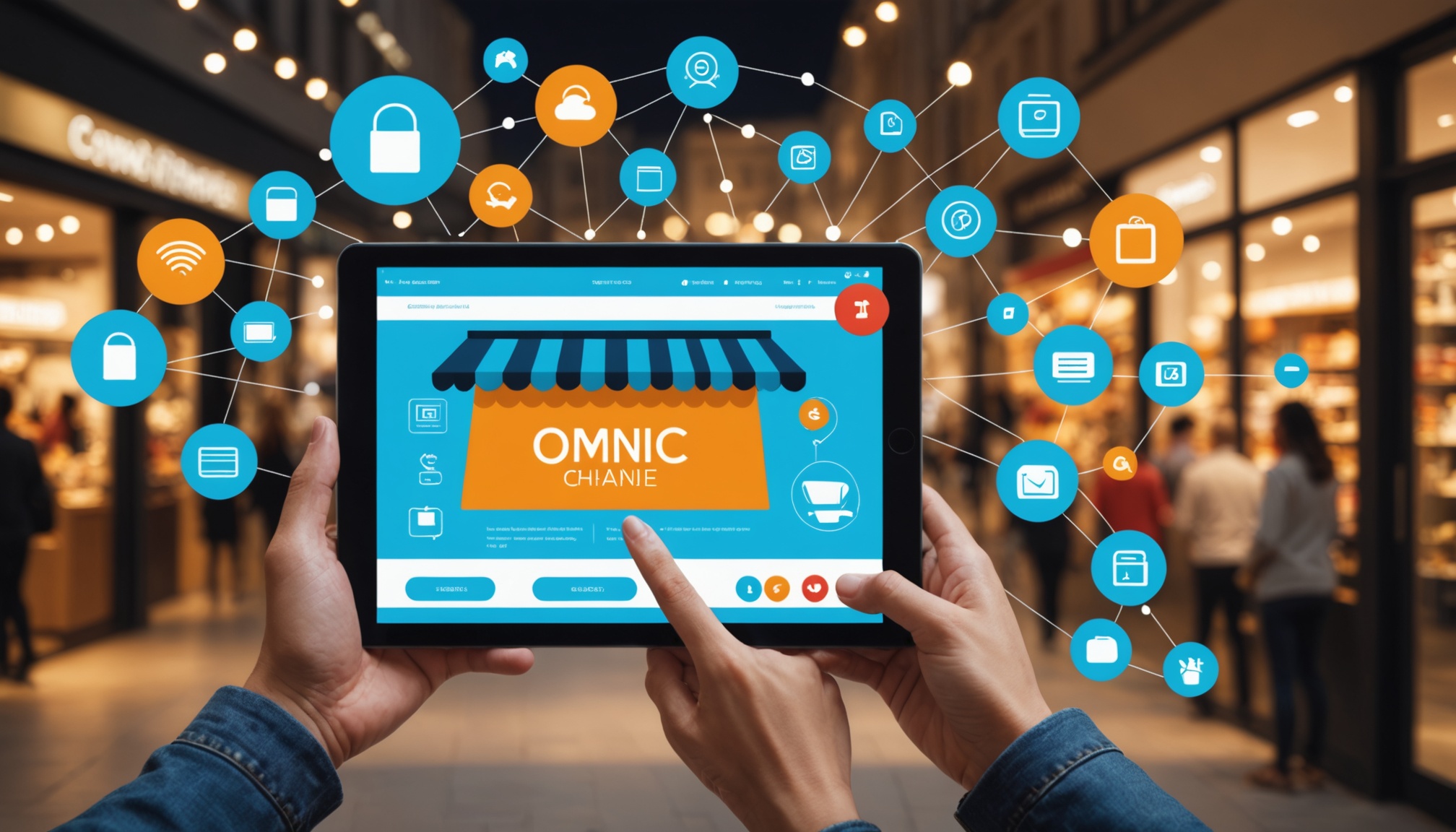
First-party shopper data is the foundation of retail media value. Retailers possess deterministic data on what customers search, browse, and purchase that enables targeting and measurement capabilities unavailable through other advertising channels. Understanding how to leverage this data effectively is essential for retail media success.
Types of Retail Data
Retail media platforms offer various data types for targeting, each with different applications and value.
Purchase data shows what customers actually buy, enabling targeting based on past purchases, category affinity, and brand relationships. This data is uniquely valuable because it reflects actual behavior rather than inferred interests. You can target customers who have purchased your products, competitor products, or products in related categories.
Browse and search data reveals shopping intent even when purchases do not occur. Targeting based on product views, search queries, and category browsing captures high-intent audiences who may not have converted yet. This data is particularly useful for retargeting and competitive conquesting.
Basket data shows what products are purchased together, revealing complementary relationships that inform cross-sell targeting. Understanding basket composition helps identify audiences likely to need your products based on their other purchases.
Loyalty data from retailer loyalty programs provides richer profiles including purchase frequency, lifetime value, and promotional sensitivity. Loyalty members often represent the most valuable shoppers, and targeting them can be particularly effective.
Targeting Strategies
Effective targeting combines different data types to reach the right audiences with appropriate messages. Several targeting strategies have proven effective across retail media platforms.
Category targeting reaches shoppers browsing or purchasing in your product category. This is foundational targeting that ensures your ads appear when shoppers are actively considering category purchases. Broad category targeting captures high-intent audience but may include shoppers with different brand preferences.
Brand defense targeting reaches shoppers searching for or viewing your brand to ensure they see your ads rather than competitor messages. This defensive strategy protects your brand equity and prevents competitor conquesting of your brand searches.
Competitor conquesting targets shoppers searching for or viewing competitor products with your ads. This offensive strategy attempts to switch shoppers from competitors to your brand. Success depends on having compelling differentiation that motivates brand switching.
Lapsed buyer targeting reaches customers who have purchased your products in the past but have not bought recently. These shoppers have demonstrated brand affinity and may simply need reminding to repurchase. Reactivating lapsed buyers is often more efficient than acquiring new customers.
Lookalike targeting finds shoppers who resemble your best customers based on shopping behavior. Platforms analyze the characteristics of your buyers and identify similar shoppers who have not yet purchased. This expands reach to high-potential audiences beyond your existing customer base.
Audience Segmentation
Beyond basic targeting, sophisticated retail media strategies segment audiences and tailor approaches to different shopper types. Segmentation enables more relevant messaging and efficient budget allocation.
Value-based segmentation differentiates between high-value customers who warrant premium investment and lower-value customers where efficiency matters more. Bidding higher for high-value segments while maintaining efficiency on others optimizes overall return.
Funnel-based segmentation distinguishes awareness, consideration, and conversion audiences. Upper-funnel shoppers who have not yet engaged with your brand need different messaging than those who have viewed products or added to cart. Matching creative and bidding to funnel stage improves relevance and efficiency.
Promotional sensitivity segmentation identifies shoppers who primarily purchase on promotion versus those who buy at full price. This informs both targeting strategy and promotional planning, ensuring you do not train price-insensitive customers to wait for deals.
Section 5: Measurement and Optimization
Closed-loop measurement is one of retail media greatest advantages. The ability to directly connect ad exposure to purchase provides accountability that other channels cannot match. Understanding how to use this measurement for optimization is essential for maximizing retail media return on investment.
Attribution and Sales Measurement
Retail media attribution connects ad interactions to subsequent purchases within defined attribution windows. Understanding how different platforms attribute sales helps interpret performance metrics accurately.
Click-based attribution gives credit to ads that were clicked before purchase. This is the most direct attribution, as clicked ads demonstrate clear engagement. Most platforms emphasize click-based metrics in their reporting.
View-based attribution gives credit to ads that were viewed but not clicked before purchase. This captures advertising influence that does not result in immediate clicks but may affect purchase decisions. View attribution windows are typically shorter than click windows.
Attribution windows vary by platform and campaign type. Longer windows attribute more sales to advertising but may include purchases that would have happened without ad influence. Shorter windows are more conservative but may miss legitimate advertising impact. Understanding the windows used in your reporting helps interpret results appropriately.
Incrementality Considerations
While retail media measurement is more deterministic than other channels, not all attributed sales are truly incremental. Some purchases attributed to advertising would have occurred anyway through organic search or direct purchase. Understanding incrementality helps assess true advertising value.
Brand term advertising often has low incrementality because shoppers searching for your brand name likely intended to purchase regardless. Defensive brand advertising may be strategically necessary but should not be evaluated as incremental revenue driver.
Category and competitor advertising typically has higher incrementality because it captures shoppers who might have purchased alternatives. The advertising intervention genuinely changed purchase behavior rather than capturing predetermined sales.
Incrementality testing through holdout experiments provides the most accurate understanding of true advertising lift. By comparing results between audiences who see ads and matched audiences who do not, you can measure actual incremental impact beyond attributed sales.
Optimization Framework
Continuous optimization improves retail media performance over time. A systematic optimization framework ensures that learnings compound and performance trends upward.
Keyword optimization should continuously refine which terms you target based on performance data. Add high-performing search queries as keywords, negative match low-performers, and adjust bids based on conversion data. Regular search term reports reveal optimization opportunities.
Bid optimization adjusts bid levels to achieve target efficiency metrics while maximizing volume. This requires balancing the tradeoff between efficiency and scale, as higher bids increase visibility but may reduce profitability.
Creative optimization tests different product images, titles, and messaging to improve click and conversion rates. Even small improvements in creative performance compound across large impression volumes into significant impact.
Budget allocation shifts investment toward better-performing campaigns, ad groups, and keywords while reducing spend on underperformers. Regular reallocation ensures budget flows to the most productive opportunities.
Key Takeaways
- Retail media is essential: With projected spend exceeding one hundred billion dollars, retail media is now a critical advertising channel that demands strategic attention.
- Amazon dominates but diversify: Amazon commands most retail media spend, but Walmart, Target, and emerging networks offer valuable audience reach and unique capabilities.
- First-party data enables precision: Retailer purchase data enables targeting and measurement unavailable elsewhere, particularly valuable as third-party signals diminish.
- Closed-loop measurement provides accountability: Direct connection between advertising and purchase provides clear ROI calculation that other channels cannot match.
- Listing optimization matters: Advertising drives traffic, but listings convert. Optimize product content before scaling advertising investment.
- Consider incrementality: Not all attributed sales are incremental. Test and measure true lift to understand actual advertising value.
Build Brand Demand That Retail Media Converts
Retail media excels at capturing purchase intent, but that intent must be created through brand building. Premium content placements build awareness, consideration, and brand preference that drive shoppers to search for your products. Outreachist connects you with quality publishers for sponsored content and guest posts.
- 5,000+ verified publishers across every industry
- Build brand awareness that drives retail searches
- Transparent pricing and quality metrics
- Full campaign tracking and reporting
Conclusion
Retail media networks represent one of the most significant developments in digital advertising. The combination of high-intent audiences, first-party purchase data, and closed-loop measurement creates advertising opportunities with accountability that other channels struggle to match. As privacy changes constrain traditional digital advertising, retail media data advantage becomes even more valuable.
Success in retail media requires understanding both the opportunities and the complexities. The landscape is fragmented across many networks with different capabilities and audiences. Advertising formats and best practices vary by platform. Measurement, while more deterministic than other channels, still requires nuanced interpretation to understand true value.
The path forward starts with establishing strong presence on Amazon, where the majority of retail media spend and capability resides. From there, expand to other networks aligned with your distribution and audience. Throughout, remember that retail media captures demand that must be created through other channels. Integrating retail media with brand-building activities creates a complete funnel from awareness through purchase.
As retail media continues to grow, expect ongoing evolution in capabilities, measurement, and competitive dynamics. The advertisers who build retail media expertise now will be best positioned to capitalize on this evolution and maintain competitive advantage in reaching shoppers at the critical moment of purchase.
About Outreachist
Outreachist is the premier marketplace connecting advertisers with high-quality publishers for guest posts, sponsored content, and link building opportunities. Our platform features 5,000+ verified publishers across every industry, with transparent metrics and secure transactions.
Browse our marketplace | Create a free account | Learn how it works