Display advertising remains a cornerstone of digital marketing despite the growth of newer advertising formats. Banner ads, rich media, and visual advertising across websites and apps reach massive audiences and serve both brand awareness and direct response objectives. While display advertising has evolved significantly from its early days, the fundamentals of visual advertising across digital properties continue driving billions in advertising investment.
The display advertising landscape has matured with sophisticated targeting, programmatic buying, and measurement capabilities that transform how advertisers approach visual advertising. Modern display advertising combines the reach of traditional display with precision targeting and real-time optimization that make it far more effective than early banner advertising.
This guide provides a comprehensive framework for display advertising success. We will examine display ad formats and networks, explore targeting strategies, address creative best practices, and provide practical guidance for building effective display advertising programs. Whether you are new to display advertising or looking to improve existing programs, this guide will help you leverage display power effectively.
Understanding display advertising is essential even for advertisers focused on other channels. Display inventory forms the foundation of programmatic advertising and powers remarketing, prospecting, and brand awareness campaigns across the digital ecosystem.
What You Will Learn In This Guide
Reading Time: 24 minutes | Difficulty: Intermediate
- Understanding display ad formats and sizes
- Display networks and inventory sources
- Targeting strategies for display campaigns
- Creative best practices for banner ads
- Viewability and ad fraud considerations
- Measurement and attribution for display
- Optimizing display campaign performance
Complement Display with Content Marketing
While display advertising builds awareness, premium content placements create lasting brand presence. Outreachist connects you with quality publishers for sponsored content that supports your display campaigns.
Explore PublishersDisplay Advertising Statistics
Global display ad spend 2024
Of display now programmatic
Average display CTR
Viewability standard threshold
Sources: eMarketer Display Advertising Report, IAB Digital Advertising Benchmark 2024
Section 1: Display Advertising Fundamentals

Display advertising encompasses visual ads that appear on websites, apps, and other digital properties. These ads range from simple static banners to complex interactive rich media experiences. Understanding display fundamentals helps advertisers build effective campaigns.
Display Ad Formats
Display advertising includes numerous ad formats suited to different objectives and placements.
Static image ads provide simple visual messaging in standard sizes. These ads load quickly and work across all placements but offer limited engagement capability.
Animated GIF ads add motion to capture attention. Animation increases engagement compared to static images but file size constraints limit complexity.
HTML5 ads enable interactive experiences with animation, video, and user interaction. Modern display advertising increasingly uses HTML5 for engaging creative that responds to user actions.
Rich media ads provide advanced interactive experiences including expandable ads, video integration, and game-like interactivity. Rich media delivers strong engagement but requires more production investment.
Standard Display Sizes
The Interactive Advertising Bureau establishes standard ad sizes that publishers and advertisers use across the industry.
Medium rectangle at three hundred by two hundred fifty pixels is among the most common display sizes. This versatile format fits within content and performs well across devices.
Leaderboard at seven hundred twenty-eight by ninety pixels provides horizontal format typically appearing at page tops. Leaderboard offers strong visibility but limited creative space.
Skyscraper at one hundred sixty by six hundred pixels provides vertical format typically appearing in sidebars. The tall format suits different creative approaches than horizontal formats.
Large rectangle at three hundred thirty-six by two hundred eighty pixels provides more creative space than medium rectangle. This size suits advertisers wanting more visual impact.
Responsive Display Ads
Responsive display ads adapt automatically to available ad spaces across the display network.
Advertisers provide headline, description, images, and logos. Ad platforms automatically combine these assets into ads that fit various sizes and formats.
Responsive ads maximize reach by appearing in any available placement. They require less production than creating multiple static sizes manually.
However, responsive ads offer less creative control than purpose-built static ads. Important visual elements may be cropped or resized unexpectedly in some placements.
Pro Tip: Size Strategy
Focus creative production on the highest-volume sizes for your campaigns. Medium rectangle and leaderboard typically receive most impressions. Create these sizes with full attention, then adapt to additional sizes as budget allows.
Section 2: Display Networks and Inventory
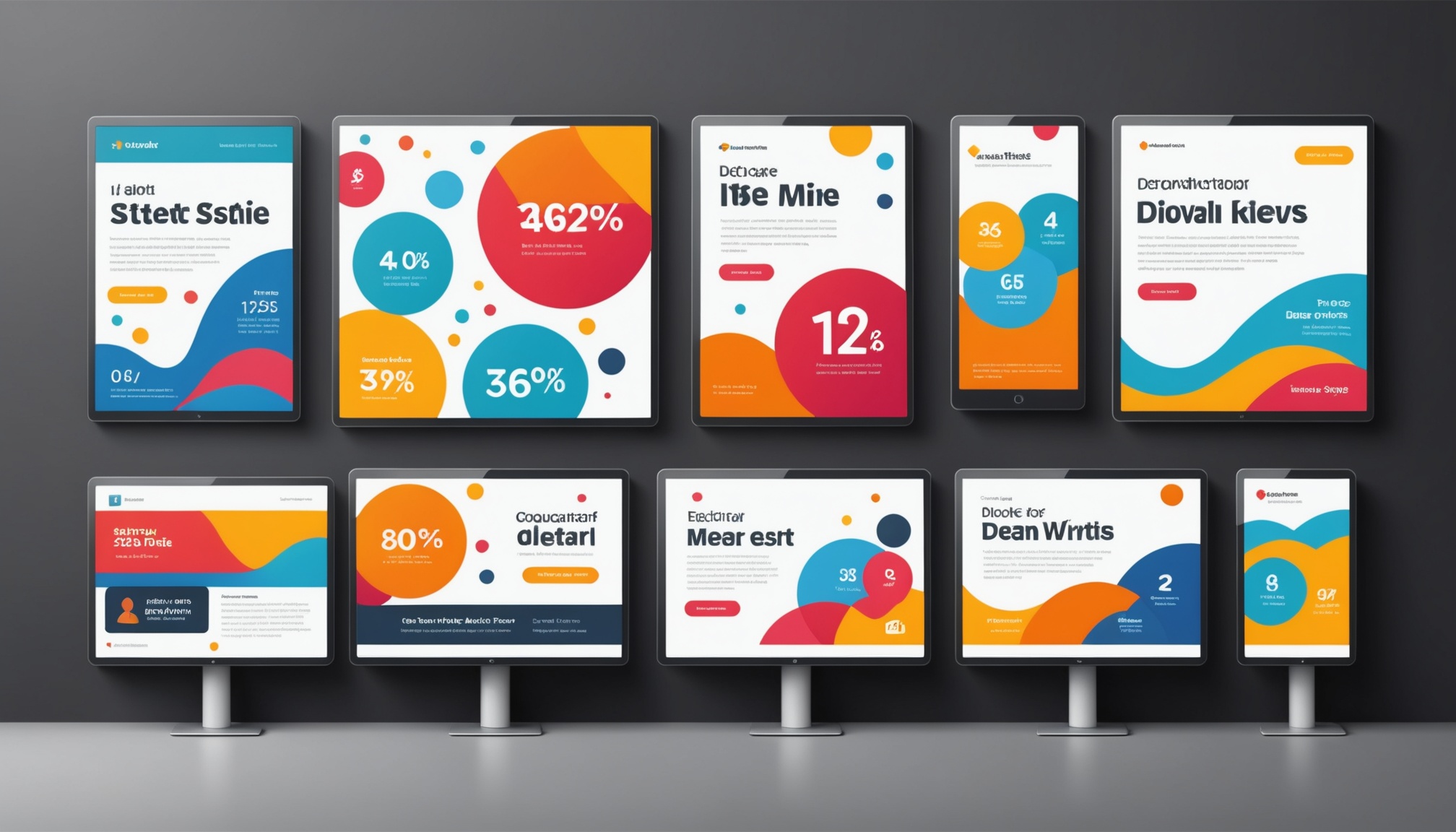
Display ads appear across various networks and inventory sources. Understanding where display inventory comes from helps advertisers select appropriate channels for their campaigns.
Google Display Network
The Google Display Network provides access to millions of websites, apps, and Google properties through Google Ads.
GDN reaches over ninety percent of internet users worldwide through its network of publisher partners. This massive reach makes GDN essential for most display advertising strategies.
Google provides targeting options including contextual, audience, and placement targeting. Advertisers can reach specific audiences or appear on specific websites through GDN.
Responsive display ads through Google automatically optimize creative for available placements. This automation simplifies campaign management while maximizing reach.
Programmatic Display
Programmatic advertising enables automated buying of display inventory through real-time bidding and private marketplaces.
Demand-side platforms provide access to display inventory across numerous exchanges and publishers. DSPs enable sophisticated targeting and optimization beyond what walled-garden platforms provide.
Private marketplace deals provide premium inventory access through negotiated arrangements with publishers. PMPs offer brand safety and quality assurance beyond open exchange buying.
Programmatic direct combines programmatic efficiency with guaranteed placements. These arrangements provide inventory certainty while maintaining programmatic targeting and optimization.
Publisher Direct
Direct relationships with publishers provide display placements outside programmatic channels.
Premium placements on high-quality publishers may only be available through direct negotiation. Homepage takeovers, sponsorships, and exclusive placements often require direct deals.
Direct deals provide certainty about placement context and positioning. Advertisers know exactly where ads will appear rather than relying on programmatic systems.
However, direct deals require more effort to negotiate and manage than programmatic buying. The trade-off between control and efficiency suits different situations.
Section 3: Targeting Strategies

Display advertising targeting determines which users see your ads. Sophisticated targeting options enable reaching specific audiences with relevant messaging.
Contextual Targeting
Contextual targeting places ads based on the content of the page where they appear.
Keyword targeting places ads on pages containing specific keywords. This approach reaches users consuming relevant content without requiring user-level tracking.
Topic targeting places ads on pages about specific topics or categories. Broader than keyword targeting, topic targeting provides more scale while maintaining relevance.
Contextual targeting has gained importance as privacy changes limit user-level targeting. This approach works without cookies or user identification.
Audience Targeting
Audience targeting reaches users based on their characteristics and behaviors.
Demographic targeting reaches users based on age, gender, income, and other characteristics. Platform data and third-party data enable demographic targeting in display campaigns.
Interest targeting reaches users who have demonstrated interest in specific topics. Browse behavior and engagement signals indicate user interests for targeting.
In-market targeting reaches users actively considering purchases in specific categories. These users show signals of purchase intent that make them valuable advertising targets.
Custom audience targeting using first-party data enables reaching known customers and similar users. Customer lists power lookalike targeting and existing customer remarketing.
Placement Targeting
Placement targeting specifies exactly which websites or apps ads should appear on.
Managed placements give advertisers control over exactly where ads appear. Select specific websites that reach your target audience effectively.
Placement exclusions prevent ads from appearing on specific sites or site categories. Exclusions protect brand safety and eliminate wasteful placements.
Content category exclusions block ads from appearing alongside specific content types. Exclude sensitive categories that could create brand safety issues.
Premium Placements Through Direct Relationships
Get quality placements with full control and transparency. Outreachist connects you directly with publishers for sponsored content and display placements without programmatic intermediaries.
Browse PublishersSection 4: Creative Best Practices

Display creative determines whether ads capture attention and drive action. Effective display creative follows proven principles while standing out in crowded environments.
Visual Design Principles
Strong visual design helps display ads succeed in competitive environments.
Clear visual hierarchy guides viewer attention to key elements. The most important message and call-to-action should be immediately visible.
Brand identity consistency ensures ads are recognizably from your brand. Use brand colors, fonts, and visual style consistently across display creative.
Contrast and color draw attention in crowded page environments. Ads that stand out visually from surrounding content capture more attention.
Clean, uncluttered design communicates more effectively than busy creative. Limited text and focused messaging work better than trying to include everything.
Messaging Best Practices
Effective messaging communicates value quickly in limited space.
Lead with benefits that matter to your target audience. What do users get from engaging with your brand? Lead with that value.
Keep text minimal due to limited space. Every word must earn its place in display creative. Eliminate anything not essential to the core message.
Create urgency when appropriate through time-limited offers or scarcity messaging. Urgency can motivate immediate action rather than delayed consideration.
Strong call-to-action tells users what to do next. Clear CTAs like Shop Now, Learn More, or Get Started guide user action.
Animation and Interactivity
Motion and interaction can increase engagement but must be used thoughtfully.
Animation captures attention in static page environments. Subtle motion draws the eye without being annoying.
Avoid excessive animation that distracts or annoys. Flashing, strobing, or constant motion can create negative associations with your brand.
Interactive elements engage users more deeply than passive viewing. Consider expandable ads or interactive experiences for engagement-focused campaigns.
Ensure animation loads quickly and does not slow page performance. Heavy creative that delays page loading creates negative user experience.
Section 5: Viewability and Brand Safety
Display advertising faces challenges around viewability and brand safety that require active management. Understanding these issues helps advertisers protect their investment.
Viewability Standards
Viewability measures whether ads actually had opportunity to be seen by users.
Industry standard viewability requires fifty percent of ad pixels visible for at least one second for display ads. Video has different standards requiring fifty percent visible for two seconds.
Many display impressions are never viewable due to placement below the fold, quick scrolling, or other factors. Viewability rates around fifty to sixty percent are common.
Viewability optimization ensures budget goes to impressions users actually see. Target viewable impressions rather than paying for placements never seen.
Ad Fraud Concerns
Display advertising faces significant ad fraud that wastes advertiser budgets.
Bot traffic generates fake impressions and clicks that advertisers pay for. Sophisticated bots mimic human behavior making detection challenging.
Domain spoofing misrepresents low-quality sites as premium publishers. Advertisers think they are buying premium inventory but receive low-quality placements.
Work with reputable partners and use fraud detection tools to protect against invalid traffic. Major platforms and verification vendors provide fraud protection.
Brand Safety Measures
Brand safety ensures ads do not appear alongside content that could harm brand reputation.
Content category exclusions prevent ads from appearing alongside controversial or inappropriate content. Define categories to exclude based on your brand values.
Keyword blocking prevents ads from appearing on pages containing specific terms. Block terms associated with content unsuitable for your brand.
Verification vendors provide additional brand safety monitoring and blocking. Third-party verification adds protection beyond platform-provided controls.
Section 6: Measurement and Attribution
Display advertising measurement should capture both immediate response and longer-term brand impact. Different measurement approaches suit different display objectives.
Direct Response Metrics
Direct response metrics track immediate actions from display advertising.
Click-through rate measures the percentage of impressions that generate clicks. Average display CTR around point three percent is low compared to search, reflecting display role in awareness.
Conversion rate among clickers measures how effectively landing pages convert display traffic. Compare to other traffic sources to assess display quality.
Cost per conversion evaluates display efficiency for driving specific actions. Compare to other channels to understand relative display performance.
View-Through Conversions
View-through conversions occur when users see display ads but convert later without clicking.
Display advertising often influences conversions that occur through other channels. Users who see display ads may later search for your brand or visit directly.
View-through windows define how long after ad viewing a conversion can be attributed. Common windows range from one to thirty days depending on purchase cycle.
View-through attribution requires careful interpretation to avoid over-crediting display. Not all conversions after ad viewing were necessarily influenced by the ads.
Brand Impact Measurement
Brand-focused display campaigns may not generate immediate conversions but build awareness and consideration.
Brand lift studies measure how display advertising affects brand awareness, perception, and consideration. Surveys compare metrics between exposed and unexposed groups.
Search lift measures increases in brand search volume attributable to display advertising. Display ads that drive brand searches indicate awareness impact.
Matched market testing compares brand metrics between markets with and without display advertising to measure overall brand impact.
Section 7: Campaign Optimization
Systematic optimization improves display advertising performance over time. Regular analysis and adjustment keeps campaigns performing at their best.
Performance Analysis
Regular analysis identifies opportunities to improve campaign performance.
Placement performance analysis reveals which sites and apps perform best. Shift budget toward high-performing placements and eliminate poor performers.
Audience segment analysis shows which targeting approaches work best. Invest more in audiences that generate strong results.
Creative performance analysis identifies which ads drive best response. Scale winning creative and replace underperformers.
Bid and Budget Optimization
Bid and budget management affects campaign reach and efficiency.
Bid optimization balances volume against efficiency. Higher bids increase reach but may reduce efficiency. Find appropriate balance for your objectives.
Budget pacing ensures budget lasts appropriately across time periods. Avoid exhausting budget early in periods or leaving budget unspent.
Daypart optimization considers when ads perform best. Adjust bids or budgets to emphasize times with stronger performance.
Testing and Learning
Systematic testing builds understanding that improves long-term performance.
Creative testing reveals what visual approaches and messaging work best. Test different designs, offers, and calls-to-action.
Targeting testing identifies which audience approaches perform best. Test different targeting strategies to find optimal combinations.
Landing page testing ensures you convert display traffic effectively. Test different pages and experiences to maximize conversion from display visitors.
Section 8: Display in the Modern Marketing Mix
Display advertising plays specific roles within broader marketing strategies. Understanding how display fits with other channels helps advertisers maximize overall marketing effectiveness.
Display for Brand Awareness
Display advertising excels at building brand awareness among target audiences at scale.
Visual format enables brand presentation that text-only formats cannot achieve. Logo, colors, and visual identity appear prominently in display advertising.
Massive reach enables awareness building across large audiences efficiently. Display networks reach the vast majority of internet users, providing unmatched scale for awareness campaigns.
Frequency through display builds brand familiarity. Repeated exposure to brand visuals reinforces awareness and recognition that supports downstream marketing activities.
Display for Remarketing
Display inventory powers remarketing campaigns that re-engage website visitors and past customers.
Visual remarketing reminds users of products they viewed or considered. Dynamic remarketing shows specific products users browsed, providing personalized reminders.
Display remarketing reaches users across their web browsing, keeping your brand present during consideration periods.
Remarketing on display typically delivers stronger performance than prospecting display because audiences already demonstrated interest.
Display Supporting Other Channels
Display advertising amplifies effectiveness of other marketing channels.
Display builds awareness that improves search advertising performance. Users who have seen display ads are more likely to click search ads and convert.
Display provides visual presence that complements text-focused channels. While email and content marketing use text, display adds visual brand presence.
Cross-channel measurement reveals how display contributes to conversions that occur through other channels. Display often influences journeys that convert elsewhere.
Section 9: Common Challenges and Solutions
Display advertising presents specific challenges that can limit effectiveness. Understanding these challenges and implementing solutions helps advertisers build more successful display programs.
Low Click-Through Rates
Display advertising typically generates low click-through rates compared to intent-based channels like search. This challenges direct response measurement and optimization.
Understand that low CTR is normal for display and does not necessarily indicate poor performance. Display serves awareness and consideration rather than immediate conversion.
Focus on appropriate metrics for your objectives. Brand awareness campaigns should measure reach and brand lift rather than CTR. Direct response campaigns should measure cost per conversion rather than click metrics alone.
Banner Blindness
Users have developed banner blindness that causes them to ignore standard display placements unconsciously.
Address banner blindness through creative that stands out from typical advertising. Distinctive visuals, animation, and unexpected approaches capture attention despite banner blindness.
Consider native and content-integrated formats that bypass banner blindness. Native advertising that matches surrounding content earns attention that standard banners may not.
Ad Blocking
Significant portions of users employ ad blocking software that prevents display ads from appearing.
Ad blocking affects display reach and can skew audiences toward users less likely to convert. Blocked users may differ from unblocked users in ways that affect campaign performance.
Diversify beyond display to reach audiences through channels less affected by blocking. Content marketing, email, and social media provide alternatives for reaching ad-blocking audiences.
Attribution Complexity
Display advertising often influences conversions without receiving direct attribution credit. This makes it difficult to justify display investment based on last-click metrics alone.
Implement measurement that captures display contribution beyond last-click. View-through conversions, brand lift studies, and incrementality testing reveal display value that click attribution misses.
Advocate for multi-touch attribution approaches that credit display for awareness and consideration contributions. Display plays important roles early in customer journeys that last-click attribution ignores.
Key Takeaways
- Display provides massive reach: Display networks reach the vast majority of internet users across millions of sites and apps.
- Targeting precision: Contextual, audience, and placement targeting enable reaching specific audiences with relevant messaging.
- Creative matters: Strong visual design and clear messaging help display ads succeed in crowded environments.
- Viewability and safety: Ensure ads are actually seen and appear in appropriate contexts through active management.
- Measure appropriately: Different objectives require different measurement approaches from direct response to brand lift.
- Optimize continuously: Regular analysis and adjustment keeps display campaigns performing effectively.
Quality Placements Through Outreachist
Get premium placements with quality publishers through direct relationships. Outreachist connects you with verified publishers for sponsored content and advertising placements.
- 5,000+ verified publishers across every industry
- Direct relationships with quality publishers
- Transparent pricing and quality metrics
- Full campaign tracking and reporting
Conclusion
Display advertising remains essential for digital marketers seeking broad reach and visual brand presence. While display has evolved dramatically from simple banner ads to sophisticated programmatic campaigns, the fundamentals of visual advertising across digital properties continue providing value for awareness and response objectives.
Success in display advertising requires understanding formats, targeting options, and creative best practices that drive performance. It also requires managing viewability and brand safety concerns that can undermine display investment. Measurement must capture both immediate response and longer-term brand impact to fully understand display value.
Start by defining your display objectives clearly. Select appropriate networks and targeting approaches for reaching your audience. Develop creative that captures attention and communicates value in limited space. Implement measurement that matches your objectives. Optimize continuously based on performance data.
As display advertising continues evolving with new formats, targeting capabilities, and programmatic sophistication, advertisers who master display fundamentals will be positioned to leverage new opportunities effectively.
About Outreachist
Outreachist is the premier marketplace connecting advertisers with high-quality publishers for guest posts, sponsored content, and link building opportunities. Our platform features 5,000+ verified publishers across every industry, with transparent metrics and secure transactions.
Browse our marketplace | Create a free account | Learn how it works