Audio advertising has experienced remarkable growth as podcast listening and music streaming have become mainstream habits. With millions of people consuming audio content daily through platforms like Spotify, Apple Podcasts, and Pandora, audio advertising offers unique opportunities to reach engaged audiences during moments when visual advertising cannot reach them. The intimate nature of audio consumption creates connections that other advertising formats struggle to match. Audio reaches listeners during commutes, workouts, household chores, and other activities when screens are not present.
The power of audio advertising lies in attention. Unlike visual media where users often multitask or skip ads, audio listeners tend to be more engaged and less likely to skip. Whether commuting, exercising, or working, audio listeners often cannot easily skip ads and frequently develop relationships with podcast hosts that make host-read ads particularly effective. Research consistently shows that audio advertising achieves higher attention scores and listen-through rates than comparable visual formats.
The audio advertising ecosystem has matured significantly in recent years. Programmatic buying capabilities, improved measurement technologies, and standardized metrics have made audio advertising more accessible and accountable for advertisers of all sizes. What was once dominated by direct deals with individual podcasts now includes self-serve platforms, programmatic exchanges, and sophisticated targeting capabilities that rival other digital channels.
This guide provides a comprehensive framework for audio advertising success. We will examine podcast and streaming audio platforms, explore targeting and creative strategies, address measurement challenges and solutions, and provide practical guidance for building effective audio advertising programs. Whether you are new to audio advertising or looking to expand existing programs, this guide will help you leverage audio channels effectively.
Success in audio advertising requires understanding the unique characteristics of audio consumption and the different approaches required for podcasts versus streaming music. Mastering these distinctions enables advertisers to build audio campaigns that reach listeners effectively and drive measurable results.
What You Will Learn In This Guide
Reading Time: 24 minutes | Difficulty: Intermediate
- Understanding audio advertising landscape
- Podcast advertising formats and buying
- Streaming audio platforms and targeting
- Audio creative best practices
- Measurement and attribution
- Campaign optimization strategies
- Building effective audio programs
Complement Audio with Content Marketing
While audio advertising builds awareness, quality content creates lasting brand presence. Outreachist connects you with publishers for content that supports your audio advertising strategy.
Explore PublishersAudio Advertising Statistics
US audio ad spend 2024
Monthly podcast listeners globally
Of audio ad listen-through rate
Research products after podcast ad
Sources: IAB Audio Revenue Report, Edison Research Infinite Dial 2024
Section 1: Audio Advertising Landscape
Audio advertising encompasses ads that run on podcasts, music streaming services, and other audio content. The audio advertising ecosystem includes multiple channels with distinct characteristics and buying approaches.
Podcast Advertising
Podcast advertising has grown rapidly as podcast listening has become mainstream. Podcasts offer highly engaged audiences who often develop strong relationships with hosts.
Host-read ads feature podcast hosts reading ad copy in their own voice and style. These ads benefit from the trust listeners have in hosts, often producing strong results. Host-read ads typically command premium pricing due to their effectiveness.
Programmatic podcast ads are dynamically inserted into episodes at playback time. These ads enable targeting, frequency control, and campaign optimization that host-read placements cannot provide.
Podcast advertising offers unique characteristics including high engagement, host endorsement value, and niche audience targeting based on podcast topic.
Streaming Audio Advertising
Streaming audio platforms like Spotify, Pandora, and Amazon Music offer advertising within music listening experiences.
Audio ads play between songs on ad-supported tiers of streaming services. These ads reach listeners during music listening, typically fifteen to thirty seconds in length.
Companion display ads can appear alongside audio ads on screen-visible platforms. Combining audio with visual reinforces messaging across formats.
Streaming platforms offer sophisticated targeting based on listening behavior, demographics, and first-party data from logged-in users.
Digital Radio and Other Audio
Digital versions of traditional radio stations offer additional audio advertising opportunities.
Internet radio simulcast streams provide digital reach for traditional radio advertising. These streams often include digital tracking and targeting unavailable in broadcast.
Smart speaker advertising reaches users through voice assistants and smart speakers. This emerging channel offers new audio advertising opportunities in home environments.
Pro Tip: Channel Selection
Choose audio channels based on your audience and objectives. Podcasts offer deep engagement and niche targeting. Streaming music provides scale and broad reach. Different channels suit different campaign goals.
Section 2: Podcast Advertising Strategies
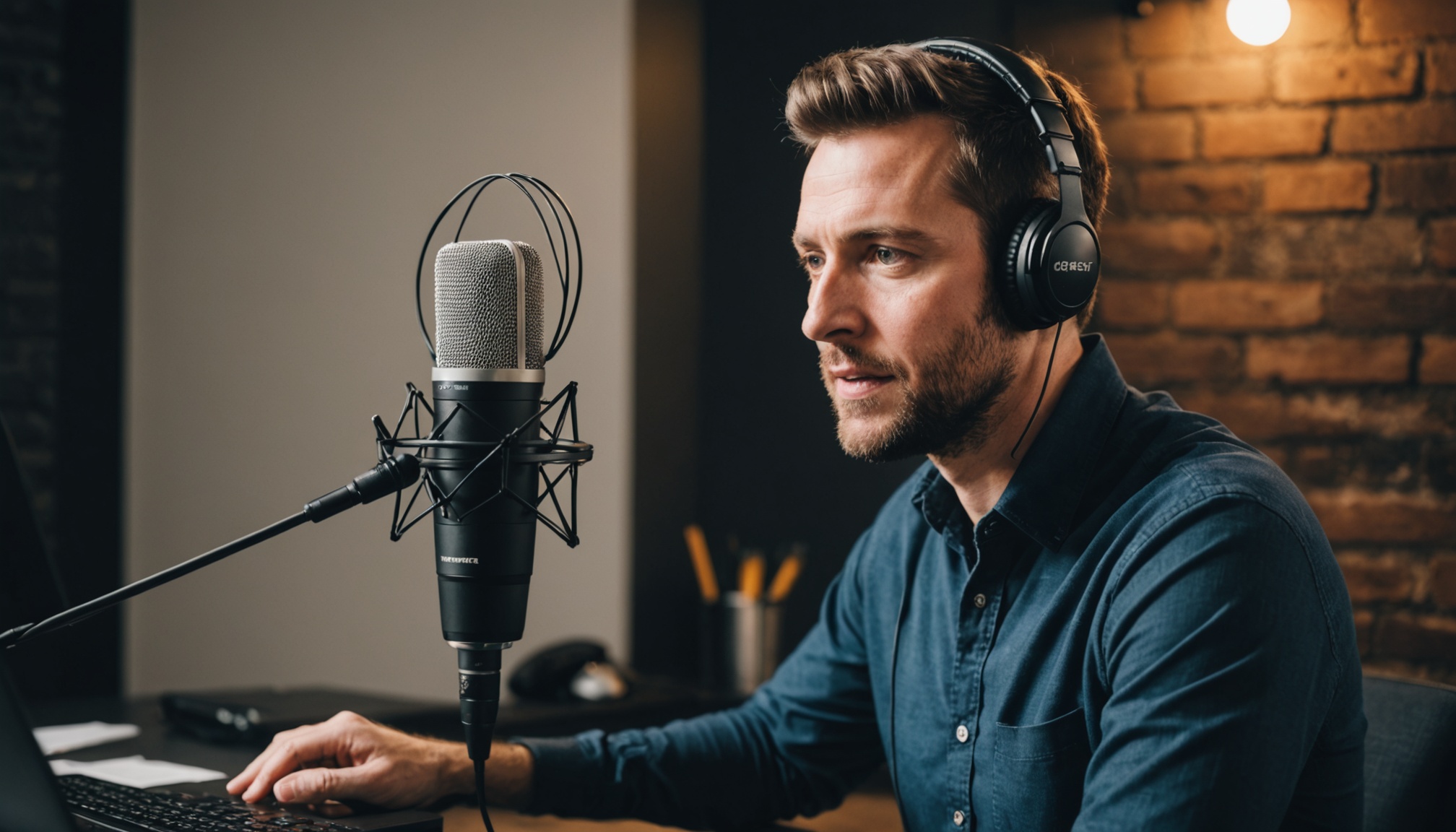
Podcast advertising requires understanding the unique dynamics of podcast consumption and the different approaches for reaching podcast listeners effectively.
Podcast Ad Formats
Podcasts offer several ad format options with different characteristics.
Pre-roll ads appear at the beginning of episodes before main content starts. Pre-roll captures listeners before they may tune out but may feel interruptive. These ads typically run fifteen to thirty seconds.
Mid-roll ads appear during episode content, typically at natural break points. Mid-roll captures engaged listeners deep into episodes and often receives highest attention. These ads can run thirty to sixty seconds or longer.
Post-roll ads appear at episode end after main content concludes. Post-roll often has lowest completion rates as listeners may stop before episode fully ends. However, remaining listeners are highly engaged.
Host-Read vs. Produced Ads
The choice between host-read and produced ads significantly affects performance and cost.
Host-read ads leverage the trust and relationship hosts have built with their audiences. Hosts read from talking points or scripts in their own voice and style. The endorsement value often produces stronger results than produced spots.
Produced ads are pre-recorded spots inserted into episodes. These ads ensure consistent messaging and quality but lack host endorsement. Produced ads work well for brand campaigns and can be scaled across many podcasts efficiently.
Some advertisers use hybrid approaches with host-read intros leading into produced content, capturing some endorsement value with consistent brand messaging.
Buying Podcast Advertising
Podcast advertising can be purchased through multiple channels.
Direct relationships with podcasts or networks provide access to premium inventory and host-read placements. Direct buying enables customization and collaboration but requires more management.
Podcast networks aggregate multiple shows under single sales organizations. Networks simplify buying across multiple podcasts while providing scale.
Programmatic platforms enable automated buying with targeting and optimization. Programmatic provides efficiency and measurement but typically offers produced ads rather than host-read.
Section 3: Streaming Audio Strategy
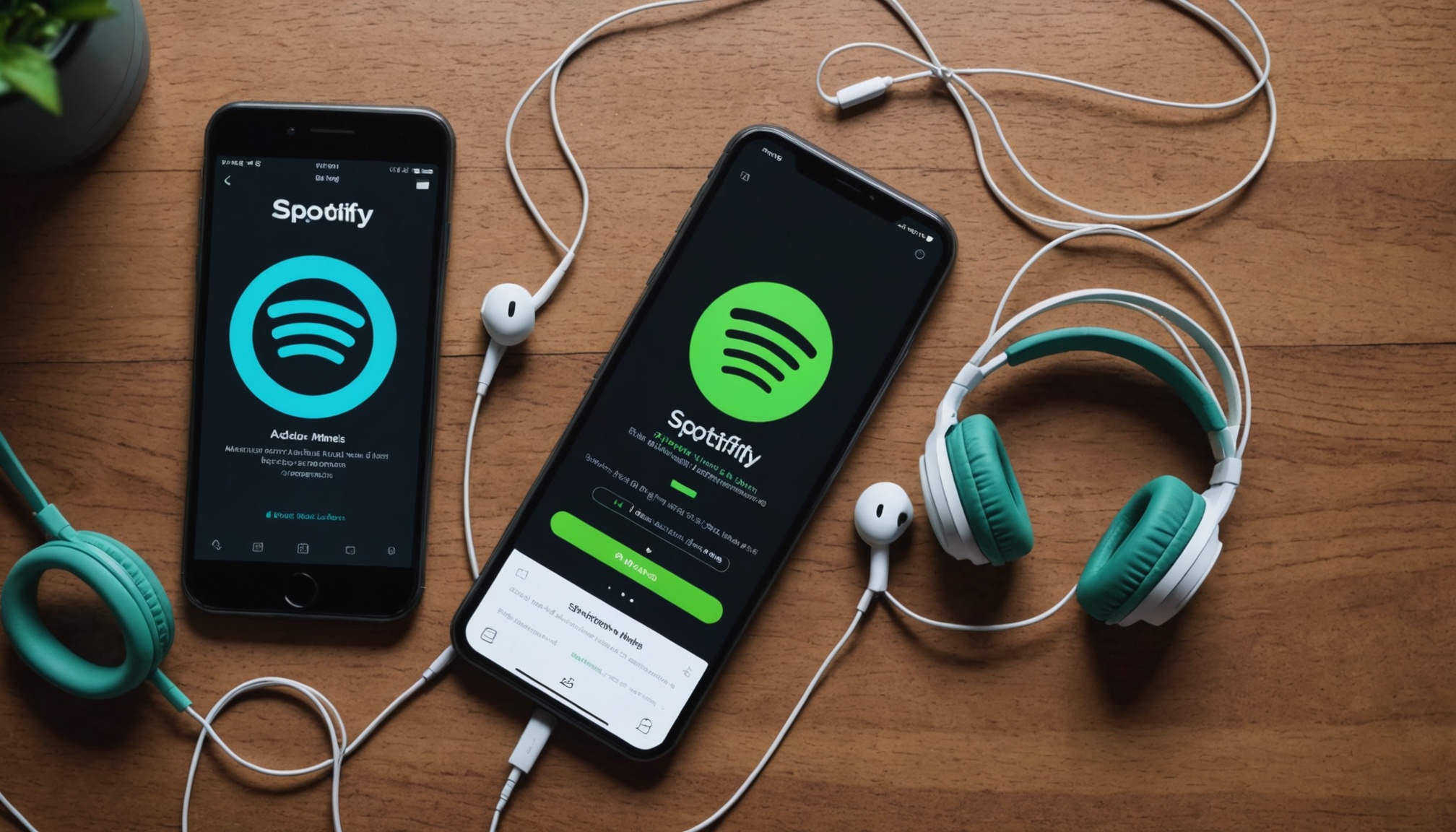
Streaming music platforms offer distinct advertising opportunities with sophisticated targeting and measurement capabilities built on logged-in user data.
Spotify Advertising
Spotify dominates streaming audio advertising with the largest user base and most developed advertising products.
Spotify Ads Manager provides self-serve access to audio, video, and display advertising across Spotify free tier. The platform offers detailed targeting and measurement.
Audio ads play between songs on ad-supported accounts. Fifteen or thirty second spots reach listeners during active listening sessions.
Spotify targeting options include demographics, listening behaviors, playlist contexts, and real-time moments like workout or commute. First-party data from logged-in users enables precise targeting.
Pandora and Other Platforms
Additional streaming platforms provide alternative audio advertising inventory.
Pandora offers audio advertising across its internet radio and on-demand streaming services. SiriusXM now owns Pandora, providing combined scale.
Amazon Music advertising reaches listeners across Amazon growing music streaming service. Integration with Amazon ecosystem provides unique targeting options.
Programmatic audio platforms aggregate inventory across multiple streaming services and podcasts for unified buying.
Targeting on Streaming Platforms
Streaming platforms offer sophisticated targeting unavailable in traditional radio.
Demographic targeting reaches specific ages, genders, and locations. Streaming platform first-party data provides accurate demographic information.
Behavioral targeting reaches users based on listening behaviors. Genre preferences, playlist activity, and listening patterns indicate interests and contexts.
Contextual targeting reaches users in specific moments based on what they are listening to. Workout playlists, study music, and party mixes indicate user context and mindset.
Support Audio with Quality Content
Audio advertising builds awareness, but content marketing converts listeners to customers. Outreachist connects you with publishers for content that supports your audio campaigns.
Browse PublishersSection 4: Audio Creative Best Practices
Audio creative requires different approaches than visual advertising. Without visual elements, audio ads must capture attention and communicate effectively through sound alone.
Audio Ad Structure
Effective audio ads follow proven structural approaches.
Open with attention-grabbing hook to capture listener interest immediately. Audio listeners may tune out quickly without compelling opening. Sound effects, questions, or bold statements can hook attention.
Deliver core message clearly and concisely. Audio cannot be re-read like text. Listeners must understand your message on first hearing. Keep messages simple and focused.
Close with clear call-to-action and memorable brand identifier. Tell listeners exactly what to do and make your brand easy to remember and find.
Voice and Tone
Voice talent significantly affects audio ad performance.
Choose voice talent that matches your brand and resonates with target audience. Different voices create different impressions. Test multiple voices when possible.
Conversational tone often performs better than overly produced or announcer-style delivery. Audio that sounds natural fits better within listening experiences.
Consider localization with regional voices for geographically targeted campaigns. Local accents and references can improve relevance and connection.
Sound Design
Sound design elements enhance audio advertising impact.
Music bed provides emotional context and brand identity. Music should support message without overwhelming voice. Keep music subtle and appropriate to brand.
Sound effects add interest and help illustrate concepts. Use effects purposefully rather than gratuitously. Effects should enhance rather than distract.
Audio logo or sonic branding creates memorable brand identifier. Consistent audio branding builds recognition across campaigns and platforms.
Section 5: Measurement and Attribution
Audio advertising measurement presents unique challenges due to the audio-only format and offline listening. Understanding available measurement approaches helps advertisers assess audio campaign effectiveness.
Podcast Measurement
Podcast measurement has evolved with increasing standardization and new technologies.
Downloads and listens provide basic delivery metrics. IAB standards define measurement criteria including minimum listening thresholds for counting listens.
Pixel-based attribution tracks website visits and conversions from podcast listeners. Companion pixels fire when ads play, enabling tracking of subsequent website behavior.
Promo codes and vanity URLs provide direct response tracking. Unique codes or URLs mentioned in ads enable clear attribution of conversions to specific podcasts.
Streaming Audio Measurement
Streaming platforms provide more sophisticated measurement than podcasts.
Listen-through rate measures what percentage of ads play to completion. High listen-through rates in audio advertising often exceed ninety percent.
Pixel tracking connects audio impressions to website actions. Similar to display tracking, pixels enable attribution of conversions to audio exposures.
Platform-specific studies measure brand lift and other upper-funnel impacts. Spotify and other platforms offer brand lift measurement for qualifying campaigns.
Attribution Challenges
Audio advertising faces specific attribution challenges.
Audio-only format prevents direct clickthrough. Unlike display or video ads, audio cannot include clickable elements. This complicates direct response measurement.
Delayed response is common as listeners cannot act immediately while listening. Users often wait until later to search for brands or visit websites mentioned in audio ads.
Search lift analysis measures increases in brand searches attributable to audio advertising. Rising search volume during campaigns indicates awareness impact.
Section 6: Campaign Optimization
Optimizing audio campaigns requires different approaches than visual advertising given the unique characteristics of audio consumption.
Testing Creative
Test audio creative systematically to improve performance.
Test multiple voice talents to find what resonates with your audience. Different voices can produce significantly different results.
Test different messages and structures. Compare benefit-focused versus feature-focused approaches. Test different hooks and calls-to-action.
Test ad lengths where possible. Fifteen versus thirty second spots may perform differently for your brand and message.
Optimizing Targeting
Refine targeting based on performance data.
Analyze performance by demographic segments. Shift budget toward demographics that respond best to your audio advertising.
Test contextual targeting on streaming platforms. Different listening contexts may produce different results for your brand.
For podcasts, analyze performance by show category and specific shows. Focus investment on podcasts that deliver results.
Frequency Management
Manage frequency to optimize reach and avoid listener fatigue.
Set frequency caps to prevent overexposure. Too many exposures to the same listeners wastes budget and may annoy audiences.
Balance reach and frequency based on objectives. Awareness campaigns may need lower frequency across broader reach. Response campaigns may benefit from higher frequency to drive action.
Refresh creative regularly to prevent fatigue. New creative maintains listener interest even at higher frequencies.
Section 7: Building Audio Programs
Building effective audio advertising programs requires strategic planning and ongoing management.
Program Structure
Structure audio programs for sustainable success.
Establish always-on presence rather than one-off campaigns. Audio advertising builds impact through consistent presence over time.
Combine podcast and streaming audio for complementary reach. Different channels reach different audiences and listening contexts.
Integrate audio with broader marketing mix. Audio should complement other channels rather than operate in isolation.
Vendor and Partner Management
Manage audio partnerships effectively.
Build relationships with key podcasts and networks for premium access. Direct relationships enable customization and collaboration.
Use programmatic for scale and efficiency where appropriate. Programmatic buying complements direct relationships for broader reach.
Evaluate platforms based on audience quality, measurement capabilities, and cost efficiency. Different platforms suit different objectives.
Scaling Audio Investment
Scale audio programs as results demonstrate value.
Start with proven channels and expand based on performance. Test new podcasts and platforms incrementally rather than all at once.
Increase investment gradually as measurement validates impact. Build confidence through demonstrated results before major budget commitments.
Develop audio-specific creative capabilities. Effective audio advertising requires dedicated creative development.
Section 8: Advanced Audio Strategies
Beyond fundamentals, advanced strategies can further improve audio advertising performance for sophisticated advertisers.
Multi-Touch Audio Campaigns
Coordinate audio touchpoints across channels and formats for cumulative impact.
Sequence podcast and streaming audio for complementary reach. Podcast deep engagement combined with streaming frequency creates powerful awareness building.
Use different messages at different stages. Initial exposures build awareness while subsequent touchpoints drive consideration and action.
Coordinate audio with visual channels for cross-format reinforcement. Users who hear audio and see display advertising receive stronger impression.
Influencer and Host Partnerships
Deepen podcast relationships beyond transactional advertising.
Long-term host partnerships build cumulative credibility. Listeners who hear consistent endorsements over time develop stronger brand associations.
Custom content integrations go beyond standard ad reads. Segments, interviews, and custom content provide deeper engagement than standard advertising.
Exclusive sponsorships provide category exclusivity and premium positioning. Exclusive arrangements cost more but eliminate competitive clutter.
Dynamic Audio Creative
Personalize audio advertising through dynamic creative approaches.
Sequential messaging changes creative based on exposure history. First exposure delivers introduction while subsequent exposures deliver different messages.
Location-based customization tailors messages to listener geography. Local references and offers improve relevance for geographically targeted campaigns.
Weather and context triggers adapt messaging to real-time conditions. Contextually relevant creative resonates more strongly with listeners.
Section 9: Industry-Specific Applications
Different industries leverage audio advertising in distinct ways based on their products, audiences, and objectives.
Direct-to-Consumer Brands
DTC brands have led podcast advertising growth with performance-focused approaches.
Promo codes enable clear attribution of podcast-driven purchases. Unique codes per podcast measure individual show performance precisely.
Host endorsement provides credibility for new or unfamiliar brands. Trusted host recommendations reduce risk perception for first-time buyers.
Category-relevant podcast targeting reaches potential customers through contextually appropriate shows. Wellness brands on health podcasts, financial brands on business podcasts.
B2B Advertising
B2B advertisers can reach business decision-makers through audio channels.
Business podcasts reach professional audiences in consideration mindsets. Shows covering industry topics attract engaged professional listeners.
LinkedIn integration through SiriusXM Pandora provides professional targeting on streaming audio.
Thought leadership positioning through podcast sponsorship builds brand credibility with professional audiences.
Entertainment and Media
Entertainment brands use audio to reach audiences during listening occasions.
Movie and TV promotion reaches audiences during commute and leisure listening. Audio ads can promote upcoming releases to entertainment-interested listeners.
Streaming service advertising reaches music listeners who may also be video streaming subscribers or prospects.
Audio trailers and preview content provide engaging creative for entertainment promotion.
Retail and Ecommerce
Retail advertisers drive store visits and online purchases through audio.
Local targeting on streaming platforms reaches nearby shoppers with store visit messaging. Geo-targeted audio drives foot traffic to physical locations.
Holiday and seasonal campaigns reach listeners during key shopping periods. Audio reaches shoppers during commute to stores and other shopping journeys.
Sale and promotion messaging drives urgency for retail events. Limited-time offers benefit from audio frequency during promotional periods.
Key Takeaways
- Audio offers unique engagement: High attention and listen-through rates make audio effective for awareness and messaging.
- Podcasts vs streaming: Different audio channels suit different objectives. Podcasts offer endorsement value while streaming provides scale.
- Creative matters: Audio-specific creative approaches maximize impact in the audio-only environment.
- Measurement is evolving: Attribution challenges exist but improving measurement options enable performance assessment.
- Build programs: Sustained audio presence over time builds cumulative impact more effectively than one-off campaigns.
- Integrate with mix: Audio should complement other marketing channels for maximum overall impact.
Complete Your Audio Strategy with Content
Audio advertising builds awareness, but content marketing converts listeners to customers. Outreachist connects you with quality publishers for content that supports your audio campaigns.
- 5,000+ verified publishers across every industry
- Build brand presence that supports audio
- Transparent pricing and quality metrics
- Full campaign tracking and reporting
Conclusion
Audio and podcast advertising provide unique opportunities to reach engaged audiences during moments when visual advertising cannot reach them. The intimate nature of audio consumption and high attention levels make audio advertising effective for awareness, consideration, and even direct response objectives. As podcast listening and streaming audio continue growing, audio advertising importance in the marketing mix increases significantly.
Success in audio advertising requires understanding the distinct characteristics of podcasts versus streaming music and the different approaches each requires. Podcasts offer host endorsement value and niche audience targeting while streaming provides scale and sophisticated targeting based on logged-in user data. Most advertisers benefit from combining both channels for complementary reach that maximizes audio impact.
Creative quality matters significantly in audio advertising. Without visual elements, audio ads must capture attention and communicate effectively through sound alone. Voice talent selection, sound design, and message structure all affect performance. Invest in audio-specific creative that maximizes the unique characteristics of the format rather than simply adapting visual campaigns to audio.
Measurement in audio advertising continues evolving with new technologies and approaches. While attribution challenges exist, pixel tracking, promo codes, brand lift studies, and search lift analysis provide increasingly comprehensive measurement capabilities. Develop measurement frameworks that capture both direct response and upper-funnel impacts from audio campaigns.
Start by identifying which audio channels best reach your target audience based on their listening habits and content preferences. Test both podcast and streaming audio to understand what works for your brand. Build relationships with key podcasts and networks for premium host-read access. Complement direct buys with programmatic for scale and efficiency.
Build sustained audio programs rather than one-off campaigns. Audio advertising builds cumulative impact through consistent presence over time. Listeners who hear your brand repeatedly develop stronger awareness and associations than those who hear a single exposure. Long-term audio investment compounds in effectiveness.
As audio consumption continues growing and measurement capabilities continue improving, advertisers who master audio advertising fundamentals will be positioned to leverage this increasingly important channel effectively. The combination of engaged audiences, high attention, and evolving measurement makes audio advertising valuable for brands seeking to reach consumers during their daily routines.
About Outreachist
Outreachist is the premier marketplace connecting advertisers with high-quality publishers for guest posts, sponsored content, and link building opportunities. Our platform features 5,000+ verified publishers across every industry, with transparent metrics and secure transactions.
Browse our marketplace | Create a free account | Learn how it works