Audio advertising has experienced remarkable growth as streaming platforms, podcasts, and connected devices transform how people consume audio content. With listeners increasingly choosing digital audio over traditional radio, advertisers have unprecedented opportunities to reach engaged audiences through sound. Audio advertising offers intimate, attentive environments where listeners engage deeply with content and advertising alike.
The audio opportunity is substantial. Podcast listening has grown exponentially, with over one hundred million Americans listening to podcasts monthly. Music streaming platforms reach billions of users worldwide. Smart speakers have created new audio consumption contexts throughout the home. These growing audio touchpoints create advertising opportunities that complement visual channels.
This guide provides a comprehensive framework for audio advertising success. We will examine audio ad formats and platforms, explore podcast advertising strategies, address programmatic audio buying, and provide practical guidance for building effective audio advertising programs. Whether you are new to audio advertising or looking to improve existing programs, this guide will help you leverage audio power effectively.
The unique characteristics of audio advertising require specific understanding and approach. Audio is an intimate medium that reaches listeners during activities where visual advertising cannot. Understanding how to create effective audio creative, target appropriate audiences, and measure audio impact determines whether audio investment generates returns.
What You Will Learn In This Guide
Reading Time: 24 minutes | Difficulty: Intermediate
- Understanding audio advertising formats and platforms
- Podcast advertising and sponsorship strategies
- Streaming audio advertising approaches
- Programmatic audio buying
- Audio creative development best practices
- Measurement and attribution for audio
- Building integrated audio strategies
Complement Audio Ads with Premium Content
While audio advertising builds brand awareness, premium content placements create lasting digital presence. Outreachist connects you with quality publishers for sponsored content that supports your audio campaigns.
Explore PublishersAudio Advertising Statistics
Global podcast listeners
US podcast ad spending 2024
Of podcast listeners listen most or all of ads
US digital audio ad spend 2024
Sources: Edison Research, eMarketer, IAB Podcast Advertising Report 2024
Section 1: Audio Advertising Landscape
The audio advertising landscape has transformed from traditional radio to diverse digital channels. Understanding the current landscape helps advertisers navigate options and select appropriate channels for their objectives.
Traditional Radio Advertising
Traditional radio remains a significant audio channel despite digital growth. Local radio stations reach communities effectively, particularly for local businesses. National radio advertising through networks provides broad reach for national brands.
Radio advertising has evolved with digital streaming simulcasts. Many traditional radio stations now stream online, providing digital targeting and measurement capabilities alongside broadcast reach.
The limitations of traditional radio include limited targeting precision, measurement challenges, and declining listening among younger demographics. These limitations have driven advertiser interest toward digital audio channels.
Streaming Music Platforms
Music streaming platforms including Spotify, Pandora, Amazon Music, and Apple Music reach massive audiences with digital advertising capabilities.
Free ad-supported tiers provide advertising inventory where ads play between songs. These placements reach listeners during music consumption with audio ads that cannot be skipped.
Streaming platforms offer targeting based on demographics, listening behavior, playlists, and contexts like workout or relaxation modes. This targeting precision exceeds what traditional radio can provide.
Display and video companion ads can accompany audio ads on mobile and desktop platforms, providing visual reinforcement for audio messaging.
Podcast Platforms and Networks
Podcasts represent the fastest-growing audio advertising channel. Podcast advertising offers unique characteristics including host-read ads, engaged audiences, and content-aligned targeting.
Major podcast platforms including Apple Podcasts, Spotify, and Google Podcasts distribute content, while podcast networks aggregate shows for advertising sales.
Podcast advertising can be purchased directly from shows, through networks, or programmatically through audio platforms. Each approach offers different benefits regarding targeting, scale, and efficiency.
Pro Tip: Multi-Platform Approach
Different audio platforms reach different audiences in different contexts. Music streaming reaches listeners during activities while podcasts reach engaged listeners seeking specific content. Consider using multiple audio channels to reach audiences across their audio consumption habits.
Section 2: Podcast Advertising Strategies
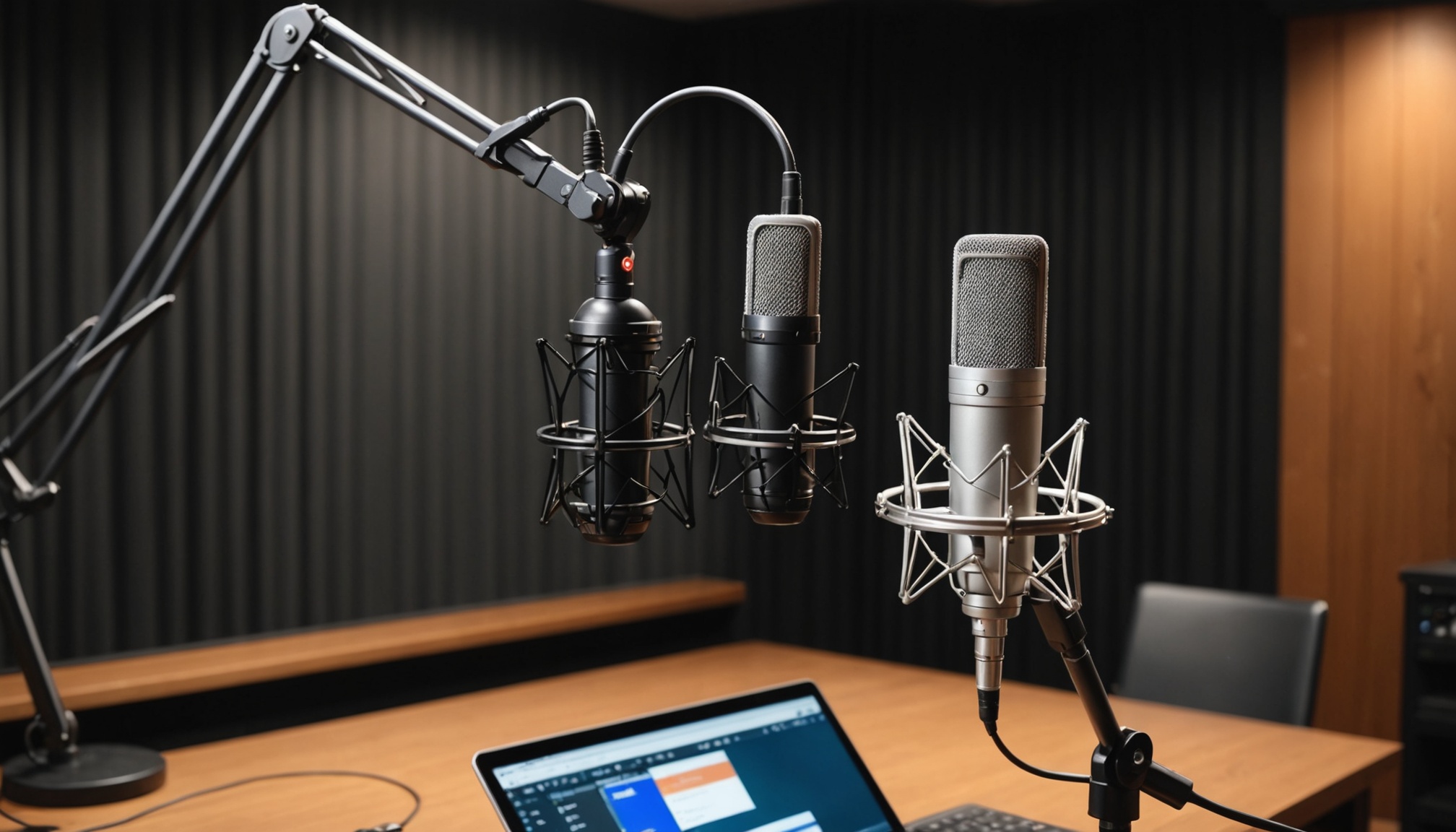
Podcast advertising has become essential for brands seeking engaged, affluent audiences. The intimate nature of podcast listening creates advertising environments where messages are received favorably and remembered effectively.
Podcast Ad Formats
Podcast advertising offers several distinct format options with different characteristics and applications.
Host-read ads feature podcast hosts reading advertising copy in their own voice and style. These native-feeling ads leverage host credibility and feel like recommendations rather than interruptions. Host-read ads consistently produce the highest engagement and conversion rates.
Dynamically inserted ads are produced separately and inserted into podcast audio at specified points. These ads can be targeted and updated without re-editing podcast content. Dynamic insertion enables targeting precision and campaign optimization.
Baked-in ads are permanently recorded within podcast episodes and remain indefinitely. These ads provide long-term exposure as episodes continue generating downloads over time. However, baked-in ads cannot be updated or targeted.
Ad Placement Options
Podcast ad placements affect how advertising is received and remembered.
Pre-roll ads play at the beginning of episodes before content begins. Pre-roll reaches all listeners who start episodes but may be skipped by impatient listeners.
Mid-roll ads play during episodes, typically at natural break points. Mid-roll reaches engaged listeners who have committed to episodes. Mid-roll generally produces highest engagement because listeners are already invested.
Post-roll ads play after episode content ends. Post-roll reaches only listeners who complete episodes, representing the most engaged segment but smallest audience.
Podcast Buying Approaches
Podcast advertising can be purchased through several approaches with different characteristics.
Direct buys involve purchasing advertising directly from podcasts or networks. Direct relationships enable host-read ads, custom integrations, and exclusive sponsorships. Direct buys suit advertisers seeking specific shows or deep partnerships.
Network buys purchase advertising across multiple podcasts through network sales teams. Networks provide scale and simplified buying while offering category or audience targeting. Networks suit advertisers seeking reach across multiple shows.
Programmatic podcast buying enables automated purchasing through DSPs and audio platforms. Programmatic provides targeting precision, optimization capability, and measurement integration. Programmatic suits advertisers seeking efficiency and data-driven optimization.
Section 3: Streaming Audio Advertising
Streaming audio advertising reaches listeners on music platforms during their daily listening. These platforms offer sophisticated targeting and measurement that bring digital precision to audio advertising.
Major Streaming Platforms
Spotify Advertising reaches the platform massive global audience through audio, video, and display ads. Spotify Ad Studio provides self-serve access for advertisers of all sizes, while managed services support larger campaigns.
Pandora advertising reaches primarily US listeners through its personalized radio-style experience. Pandora pioneering approach to digital audio provides mature advertising capabilities and measurement.
Amazon Music advertising reaches Amazon ecosystem users, integrating with Amazon broader advertising platform. Amazon data integration enables targeting based on shopping and broader Amazon behaviors.
iHeartRadio bridges traditional radio and digital streaming, offering advertising across both broadcast and digital listening. iHeart broad reach includes traditional radio audiences alongside digital streamers.
Streaming Audio Ad Formats
Streaming platforms offer various ad formats to reach listeners effectively.
Audio ads play between songs or content segments. These ads typically run fifteen to thirty seconds and cannot be skipped, ensuring complete message delivery.
Video takeovers present video ads when listeners have apps in foreground. Video provides visual storytelling combined with audio impact for listeners actively viewing their devices.
Sponsored sessions offer ad-free listening in exchange for watching video ads. This value exchange format creates positive ad experience with high completion rates.
Display ads accompany listening with visual presence on mobile and desktop platforms. Display provides brand presence and click-through capability alongside audio advertising.
Streaming Targeting Capabilities
Streaming platforms offer targeting based on listener data and behavior.
Demographic targeting reaches listeners based on age, gender, and location. Platform registration data enables accurate demographic targeting.
Playlist and genre targeting aligns ads with listener mood and activity. Targeting workout playlists or study music reaches listeners in specific contexts.
Listening behavior targeting reaches users based on their consumption patterns. Target heavy listeners, genre enthusiasts, or users with specific listening habits.
Contextual targeting considers time of day, device type, and listening context. Morning commute versus evening relaxation creates different advertising contexts.
Build Brand Authority Beyond Audio
Audio advertising creates awareness, but lasting brand authority requires multi-channel presence. Premium content placements establish credibility that supports audio campaigns. Outreachist connects you with quality publishers.
Browse PublishersSection 4: Audio Creative Development
Audio creative requires specific craft distinct from visual advertising. Effective audio advertising captures attention through sound alone and communicates messages that listeners remember and act upon.
Audio Creative Principles
Audio advertising must work without visual support, requiring different creative approaches than visual media.
Capture attention immediately with distinctive sounds, voices, or openings. Listeners form impressions within the first seconds. Weak openings lose listener attention before messages land.
Use voice effectively as the primary storytelling vehicle. Voice talent selection matters enormously. The right voice creates connection while the wrong voice undermines messaging.
Sound design creates atmosphere and reinforces messaging. Music beds, sound effects, and audio textures contribute to how messages are received and remembered.
Call-to-action clarity matters more in audio where listeners cannot click. Clear, memorable CTAs enable listeners to take action after listening ends.
Script Writing for Audio
Audio scripts must communicate effectively when read aloud rather than read visually.
Write for the ear by using conversational language that sounds natural when spoken. Written prose often sounds stilted when read aloud. Write scripts meant to be spoken.
Keep messages focused on single key points. Audio listeners cannot review or reread. Simple, focused messages communicate more effectively than complex multi-point scripts.
Repeat key information including brand names and URLs. Listeners may miss information on first mention. Strategic repetition ensures key messages register.
Time scripts carefully for ad slot duration. Rushed delivery undermines comprehension while pauses waste valuable time. Practice timing before production.
Production Considerations
Audio production quality affects how advertising is perceived and remembered.
Professional voice talent elevates creative quality. Amateur voices undermine brand perception. Invest in appropriate talent for your brand positioning.
Quality recording and mixing ensure ads sound professional. Poor audio quality reflects negatively on advertised brands. Professional production protects brand perception.
Platform-specific versions may be necessary for different lengths or formats. Create variations that work for each platform and placement type rather than one-size-fits-all.
Section 5: Programmatic Audio
Programmatic audio enables automated buying of audio advertising inventory through digital platforms. This approach brings efficiency and precision from display and video programmatic to audio channels.
Programmatic Audio Ecosystem
The programmatic audio ecosystem connects advertisers with audio inventory through automated systems.
Audio supply-side platforms aggregate inventory from streaming services, podcasts, and digital radio. Major audio SSPs include Triton Digital, AdsWizz, and platform-specific systems.
Demand-side platforms enable buyers to access audio inventory alongside other programmatic channels. Major DSPs including The Trade Desk, DV360, and Xandr support audio buying.
Audio exchanges facilitate real-time bidding for audio impressions. These marketplaces match advertisers with available inventory based on targeting and pricing.
Programmatic Audio Targeting
Programmatic audio enables sophisticated targeting beyond what direct buying typically provides.
First-party data integration enables targeting based on advertiser CRM data and audiences. Reach known customers or lookalikes through audio channels.
Third-party data segments enable interest and intent targeting. Reach users based on demonstrated interests and behaviors across digital touchpoints.
Cross-device targeting enables reaching users across their audio consumption devices. Coordinate audio messaging with broader cross-device campaigns.
Programmatic Audio Optimization
Programmatic buying enables optimization based on performance data.
Frequency optimization prevents overexposure that wastes budget and annoys listeners. Set appropriate frequency caps based on campaign objectives and message complexity.
Placement optimization identifies highest-performing inventory sources. Shift budget toward placements that deliver best results.
Daypart optimization aligns advertising with optimal listening times. Different audiences listen at different times. Optimize timing based on performance data.
Section 6: Measurement and Attribution
Audio advertising measurement presents unique challenges since audio lacks clickable CTAs. Understanding audio measurement approaches helps advertisers evaluate and optimize audio investments.
Audio-Specific Metrics
Audio advertising generates metrics specific to the audio format.
Listen-through rate measures what percentage of listeners hear complete ads. This completion metric indicates engagement quality beyond simple impressions.
Average listen time shows how long listeners engage with audio content before stopping. Partial listens still provide value but indicate potential issues with creative or placement.
Audio viewability equivalents confirm that ads actually played in environments where listeners could hear them. This verification ensures impressions represent real audio delivery.
Brand Impact Measurement
Brand lift studies measure how audio advertising affects brand awareness, consideration, and perception.
Survey-based measurement compares brand metrics between exposed and control groups. These studies reveal audio impact on brand health metrics even without click-based attribution.
Search lift measurement tracks changes in brand search volume attributable to audio advertising. Increased searches after audio exposure indicate awareness and interest impact.
Social listening can detect conversation changes following audio campaigns. Brand mentions and sentiment shifts may correlate with audio advertising.
Attribution Approaches
Audio attribution connects listening to downstream conversions despite lack of direct clicks.
Pixel-based attribution uses tracking pixels to connect audio exposure to website visits and conversions. This approach works when listeners later visit advertiser websites on the same device.
Promo code and vanity URL tracking attributes conversions to audio by using unique codes or URLs. Listeners who use podcast-specific promo codes clearly came from audio advertising.
Cross-device attribution connects audio exposure on one device to conversions on another. This approach addresses audio consumed on devices different from conversion devices.
Section 7: Smart Speaker and Voice Advertising
Smart speakers have created new audio advertising contexts within homes. Voice interfaces enable interactive advertising experiences that traditional audio cannot provide.
Smart Speaker Advertising Opportunities
Smart speakers including Amazon Echo, Google Home, and Apple HomePod reach listeners in home environments.
Flash briefing content on smart speakers can include sponsored content. Branded content within news and information briefings reaches daily listeners.
Audio streaming on smart speakers delivers advertising from streaming platforms. Users listening through smart speakers hear audio ads from Spotify, Pandora, and other ad-supported services.
Branded skills and actions enable interactive brand experiences. Developing voice apps creates owned touchpoints on voice platforms.
Voice Search and Audio Advertising
Voice search growth affects audio advertising strategies.
Audio call-to-actions should consider voice search behavior. CTAs like ask Alexa for brand name enable voice-activated response.
Voice commerce integration enables purchase completion through voice. Audio advertising can drive immediate voice-based conversion.
Section 8: Building Audio Strategies
Effective audio advertising requires strategic planning that integrates audio with broader marketing programs and leverages audio unique characteristics.
Audience-First Planning
Audio strategy should begin with audience understanding.
Analyze target audience audio consumption habits. What platforms do they use? What content do they consume? When do they listen? Understanding listening behavior informs platform selection.
Consider listening contexts and how they affect receptivity. Commute listening differs from workout listening differs from evening relaxation. Match messaging to context.
Evaluate competitive audio presence. Where are competitors advertising in audio? What opportunities exist for differentiation?
Integration with Broader Campaigns
Audio advertising works best as part of integrated multi-channel campaigns rather than in isolation.
Coordinate messaging across channels for consistent brand communication. Audio should reinforce rather than contradict messaging in other channels.
Consider audio role in the customer journey. Audio often excels at awareness and consideration but may require support from other channels for conversion.
Use audio to reach audiences in contexts where visual advertising cannot. Audio reaches listeners during activities like driving, exercising, and working where visual media is unavailable.
Testing and Optimization
Systematic testing improves audio advertising effectiveness over time.
Test different audio platforms to understand where your audience responds best. Platform effectiveness varies by brand and audience.
Test creative approaches including different voices, music styles, and message framing. Audio creative testing reveals what resonates with your specific audience.
Test targeting strategies to identify highest-value audience segments. Optimize toward audiences that generate best response.
Section 9: Common Challenges and Solutions
Audio advertising presents unique challenges that can limit effectiveness if not addressed. Understanding common challenges and their solutions helps advertisers build more successful audio programs.
Attention and Engagement Challenges
Audio competes for attention during multitasking activities. Listeners often engage with audio while doing other things, potentially reducing advertising attention.
Address this by front-loading key messages and brand mentions. Capture attention immediately and communicate essential information early before attention may wander. Repetition of key points helps ensure messages register despite divided attention.
Audio can feel intrusive when poorly executed. Interruptive formats in music streaming or mid-roll podcast ads can frustrate listeners if creative quality is weak.
Address this with high-quality creative that respects the listening experience. Ads that feel native to the audio environment and provide value or entertainment are received more favorably than purely promotional messages.
Measurement Limitations
The lack of clickable CTAs makes direct response measurement challenging. Advertisers accustomed to immediate click and conversion data may find audio measurement less satisfying.
Address this by implementing comprehensive measurement approaches. Combine brand lift studies, pixel-based attribution, promo codes, and search lift measurement to build complete understanding of audio impact.
Cross-device attribution gaps can miss conversions occurring on different devices than audio consumption. Someone hearing a podcast on their phone but converting on desktop may not be attributed.
Address this with cross-device attribution solutions and supplementary measurement. Search lift and brand lift studies capture impact regardless of device used for conversion.
Scale and Reach Limitations
Highly targeted audio campaigns may face inventory limitations. Specific podcast audiences or narrow streaming segments may not provide sufficient scale for campaign objectives.
Address this by balancing targeting precision with reach requirements. Broader targeting may be necessary for scale, with creative and message optimization compensating for reduced targeting precision.
Premium podcast inventory commands premium prices. High-quality shows with engaged audiences may price out smaller advertisers or limit frequency within budgets.
Address this by mixing premium placements with broader programmatic buying. Use premium placements strategically for maximum impact while programmatic extends reach efficiently.
Creative Production Challenges
Audio creative production may be unfamiliar to teams experienced with visual advertising. Different skills and vendors are required for audio production.
Address this by developing audio creative capabilities or partnering with audio specialists. Podcast networks often provide production support, and streaming platforms offer self-serve creative tools.
Host-read podcast ads require coordination with podcasters who have their own schedules and styles. This process differs from traditional production timelines and approval workflows.
Address this by building relationships with podcast hosts and networks and allowing flexibility in timing and delivery. The authentic nature of host-read ads often requires accepting less control over exact execution.
Key Takeaways
- Audio is growing rapidly: Podcast and streaming growth creates expanding audio advertising opportunities.
- Podcast ads drive engagement: Host-read ads in particular produce high engagement and conversion rates.
- Streaming offers targeting: Digital audio platforms provide targeting precision that traditional radio cannot match.
- Audio creative differs: Audio advertising requires specific creative approaches distinct from visual media.
- Measurement requires adaptation: Without clicks, audio measurement uses brand lift, attribution pixels, and promo codes.
- Integrate with broader strategy: Audio works best as part of multi-channel campaigns that leverage audio unique reach contexts.
Build Multi-Channel Brand Presence
Audio advertising builds awareness, but sustainable brand authority requires presence across channels. Premium content placements complement audio with lasting digital presence. Outreachist connects you with quality publishers.
- 5,000+ verified publishers across every industry
- Build authority beyond audio advertising
- Transparent pricing and quality metrics
- Full campaign tracking and reporting
Conclusion
Audio and podcast advertising offers unique opportunities to reach engaged audiences in contexts where other advertising cannot. The intimate nature of audio creates receptive environments for brand messaging, while growing digital audio platforms provide targeting and measurement capabilities that bring precision to audio advertising.
Success in audio advertising requires understanding the specific characteristics of the medium. Audio creative must capture attention and communicate effectively through sound alone. Measurement approaches must adapt to environments without direct clicks. Strategy must leverage audio unique reach into contexts like commuting and exercising where visual media is unavailable.
Start by analyzing your target audience audio consumption habits. Select platforms and formats that align with how your audience listens. Develop audio creative that captures attention and communicates clearly. Implement measurement that connects audio exposure to business outcomes. Integrate audio with broader marketing programs for maximum impact.
As audio consumption continues growing through podcasts, streaming, and smart speakers, audio advertising will become increasingly important. Advertisers who develop audio expertise now will be positioned to reach audiences effectively in a medium that competitors may overlook.
About Outreachist
Outreachist is the premier marketplace connecting advertisers with high-quality publishers for guest posts, sponsored content, and link building opportunities. Our platform features 5,000+ verified publishers across every industry, with transparent metrics and secure transactions.
Browse our marketplace | Create a free account | Learn how it works